If your dog has started growling, snapping or lunging when they never used to, the first thing to know is that this is a veterinary question before it is a training question. Sudden changes in behavior often have a medical cause, and aggression is one of the most common ways pain shows up in dogs. The second thing to know is that this is manageable, but not something to work through alone.
Safety first: Aggression carries a real risk of injury. Keep children and visitors away from your dog until you have a plan, avoid the situations that trigger it, and speak to your veterinarian before trying any training approach. This article is general information, not a treatment plan for your dog.
Key takeaways
- Rule out pain first: a sudden change in behavior is a reason to see a vet, not a trainer.
- Never punish a growl: it removes the warning that keeps everyone safe.
- Manage the environment now: distance and barriers buy you time while you get help.
- Get a qualified assessment: aggression is not a do-it-yourself project.
Start here: make this week safe
Before you work out why, reduce the chance of anyone getting hurt. That usually means a short list of practical changes: keep the dog separated from whatever sets them off, use baby gates or a closed door rather than relying on recall, put the lead on before opening the front door, and tell visitors not to approach. If the trigger is food or a resting spot, feed in a separate room and leave the dog alone while they eat.
None of this fixes anything, and it is not meant to. It buys you a calm few weeks while you get an assessment, and it stops your dog rehearsing the behavior, which matters because rehearsal makes any behavior stronger.
Why aggression can appear suddenly
Pain or illness
This is the first thing to rule out and the most commonly missed. Dental pain, ear infections, arthritis, injuries, and problems affecting the kidneys, liver, nervous system or hormones can all change how a dog reacts to being touched or approached. The Merck Veterinary Manual is explicit that medical causes are ruled out precisely because they can produce aggression (Merck Veterinary Manual). A dog who snaps when lifted or brushed is often telling you something hurts.
Fear
Fear is behind a large share of aggression, and it does not always look frightened. A dog who feels cornered and has learned that growling makes the scary thing go away will use that strategy again. Fear-based aggression often appears after a bad experience, or as a dog matures and becomes less tolerant.
Guarding something valuable
Food, chews, beds, a favorite person or a stolen sock can all become resources worth defending. The ASPCA groups this as possessive aggression and notes it is one of several distinct types, each with its own triggers (ASPCA).
Redirection
A dog who is highly aroused by something they cannot reach, often another dog through a window or fence, may turn on whoever is closest. It looks unprovoked and out of character because, from the dog’s point of view, it is about something else entirely.
Age-related change
In older dogs, reduced hearing or sight, stiffness and cognitive change can all make a previously easygoing dog reactive. Being startled awake or approached from a blind side is a common trigger. The ASPCA covers these shifts in its guidance on behavior problems in older dogs (ASPCA on older dogs).
The warning signs that come before a bite
Dogs rarely bite without signalling first, and learning the sequence is one of the most useful things an owner can do. The ASPCA describes an escalating ladder that typically runs from stillness through to contact (ASPCA on aggression). In rough order:
- Becoming very still and rigid
- A low, guttural bark that sounds threatening
- Lunging forward without contact
- Showing teeth, or a wrinkled muzzle
- Growling
- Snapping, or a quick nip
The practical point is that every rung on that ladder is information. A dog who growls is being polite by their own standards. If you punish the growl, you do not remove the feeling underneath it, you only remove the announcement.
What to do in the next two weeks
- Book a veterinary exam and describe exactly what happened, when, and what was going on around the dog.
- Write down every incident. Date, time, who was there, what happened immediately before, and what ended it. This is the single most useful thing you can hand a behaviorist.
- Remove the triggers you can. If it is the window, block the view. If it is the food bowl, give space.
- Stop all confrontational handling. No alpha rolls, no scruffing, no staring down, no grabbing the collar to correct.
- Ask your vet for a referral to a veterinary behaviorist or certified applied animal behaviorist.
What makes it worse
| Approach | Why it backfires |
|---|---|
| Punishing growls and warnings | Removes the warning without changing the feeling behind it |
| Confrontation based on rank | AVSAB’s position is that dominance-based methods tend to increase fear and anxiety rather than resolve it |
| Shock, prong or choke equipment | Pain can become associated with whatever the dog was looking at, which is often a person or another dog |
| Flooding, or forcing exposure | Pushes a frightened dog past the point where they can cope |
| Waiting to see if it settles | Every rehearsal makes the behavior more established |
AVSAB recommends reward-based methods for all dog training including the treatment of behavior problems, and reports that aversive approaches are associated with stress responses, increased anxiety and aggression, and damage to the relationship between dog and owner (AVSAB, 2021). AAHA’s behavior guidelines take the same evidence-led position (AAHA).
Who to call, and what the titles mean
The titles matter here more than in ordinary training, because aggression cases need a real diagnosis.
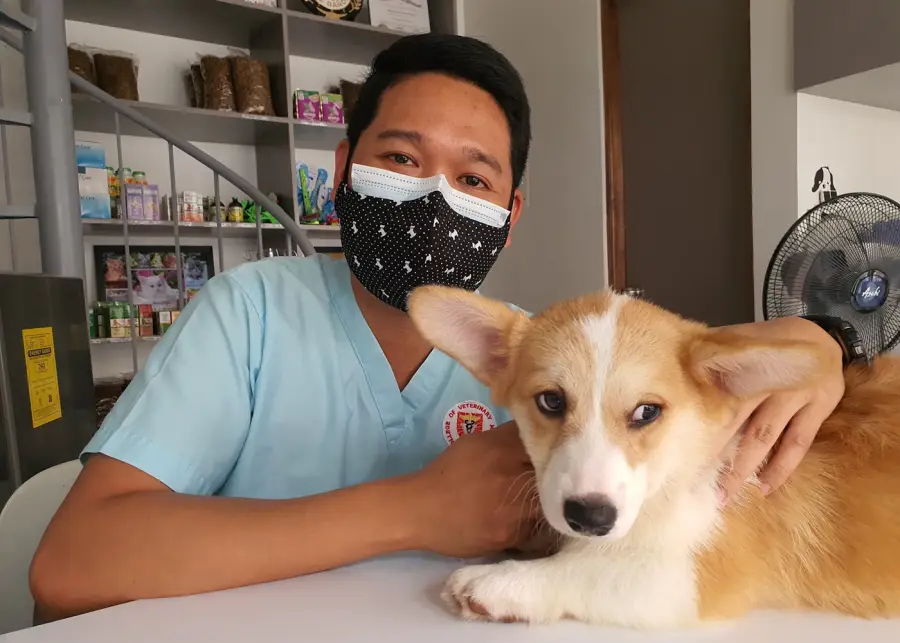
- Veterinary behaviorist. A veterinarian with specialist training in behavior. Can diagnose, rule out medical causes and prescribe where appropriate.
- Certified applied animal behaviorist. An academically credentialed behavior specialist, usually working alongside your vet.
- Credentialed trainer. Useful for carrying out the plan day to day. Ask which methods they use, and walk away from anyone who talks about dominance or shows you a shock collar.
Our guide to aggression in dogs covers what to expect from an assessment, and our dog behavior hub collects the related guides.
What about rehoming or euthanasia?
Some owners reach this question, and it deserves an honest answer rather than silence. It is a conversation to have with a veterinary behaviorist who has assessed your dog, not with the internet. They can tell you what the realistic prognosis is for your specific dog, what management would involve long term, and whether the risk can be brought to a level your household can live with. Most cases do not end there.
Frequently asked questions
Can a dog suddenly become aggressive for no reason?
There is almost always a reason, but it is often one you cannot see. Pain, illness, fear and a trigger the dog has learned to dread are the common ones, which is why a veterinary exam comes before any training plan.
Should I punish my dog for growling?
No. A growl is a warning, and punishing it teaches a dog to skip the warning next time. That makes a bite more likely, not less. Calmly create distance and work out what caused it.
Is my dog trying to dominate me?
Very unlikely. AVSAB’s position is that most unwanted behavior comes from what has been accidentally rewarded, and that confrontational methods based on rank tend to increase fear and aggression.
Can aggression be cured?
Behavior professionals usually talk about management and reduced risk rather than a cure. Many dogs improve a great deal with a treatment plan, but the plan is ongoing rather than a one-off fix.
What kind of professional should I look for?
A veterinary behaviorist or a certified applied animal behaviorist for the assessment, and a credentialed reward-based trainer for the day-to-day work. Your own vet can refer you.
Related reading: monitoring your dog’s health at home, what to expect at a pet health checkup, positive reinforcement dog training and calming an overexcited dog.
Final thoughts
Sudden aggression is frightening, and the instinct to correct it hard is understandable. It is also the one response most likely to make things worse. Manage the environment, get the pain question answered, write down what you see, and bring in someone qualified. That order gives your dog the best chance, and keeps everyone around them safe while you work.