
Cat Food Toppers and How to Choose Cat Food: Reading the Label
A good cat food is one that is labeled complete and balanced for your cat’s life stage, fed in the amount your vet recommends. This guide explains how to read a cat food label, what to ask a pet food maker, and which feeding questions to take to your vet.
Updated October 2026 · Written by the PetOwnerHQ editorial team · Research based, not lab tested
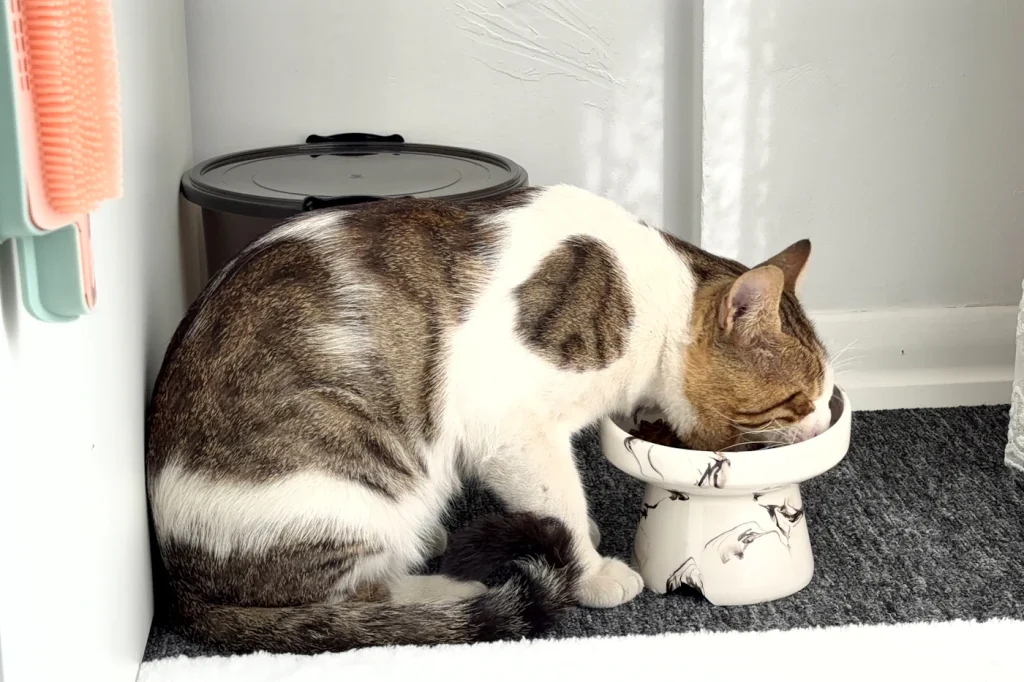
Good to know: If your cat has a health condition or needs a special diet, follow your vet’s advice before changing food. This page is general information, not a feeding plan for your cat.
Cat Food Basics at a Glance
The questions that veterinary and nutrition guidelines suggest asking first.
Complete and Balanced
Look for a nutritional adequacy statement saying the food is complete and balanced.
Right Life Stage
Choose a food made for cats, and match it to your cat’s life stage.
Know the Calories
Check the calorie content and ask your vet how much your cat should eat.
Ask the Maker
A reputable company should be able to answer questions about its food.
Food puzzles and feeding balls can add hunting-style play to mealtimes; see our cat toys guide.
How to Read a Cat Food Label
These are the parts of a label that nutrition guidelines point to. We describe what to look for, not which brands to buy.
| Label part | What it tells you | What to check |
|---|---|---|
| Nutritional adequacy statement | Whether the food is complete and balanced, and how that was shown | Look for “complete and balanced” for your cat’s life stage |
| Life stage | Which life stage the food is made for | Check that it matches your cat, for example a kitten or an adult |
| Calorie content | How much energy the food provides | Use it with your vet’s feeding advice, not the bag alone |
| Manufacturer details | Who makes the food and how to contact them | Be cautious if a company cannot or will not answer questions about its food |
Feeding Questions to Take to Your Vet
Nutrition is part of your cat’s overall health care, so your vet is the best person to tailor it.
Body Condition
Veterinary guidelines recommend checking body condition at every exam. Ask what is healthy for your cat.
How Much to Feed
The right amount depends on your cat’s weight, age and activity. Your vet can set a target.
Special Diets
Raw, home-prepared and prescription diets should be discussed with your vet first.
When to call your vet: Not eating, a sudden change in appetite, drinking or weight, or repeated vomiting should be checked by a vet. Do not try to fix these with a food change alone.
Cat Food Toppers: What They Are and How to Use Them
Cat food toppers are small additions, such as shredded meat, broths, freeze-dried bits or soft pouches, that you sprinkle over your cat’s regular meal. They can tempt picky eaters, add moisture or make dry food more appealing.
Choose toppers made for cats and read the label, since a cat food topper is usually meant as a treat rather than a complete meal. Count the calories toward the daily total, especially for cats who gain weight easily, and start with a small amount to check how their stomach handles it. Wet cat food pouches and dry cat food can both be used as a base, and cats with sensitive stomachs often do better with simple ingredient lists.
If your cat suddenly stops eating, loses weight or has ongoing stomach upset, see your vet before changing the diet.
Your Questions, Answered
How do I know a cat food is complete and balanced?
Check the label for a nutritional adequacy statement. It says whether the food is complete and balanced and for which life stage. Foods that are not complete and balanced, such as some treats and supplements, are not meant to be a cat’s only diet.
Can I feed my cat dog food?
Foods are made for a particular species and life stage, so choose one made for cats and labeled complete and balanced for your cat’s life stage. If you are unsure, ask your vet.
Is wet or dry food better?
Wet, dry and mixed feeding can all be complete and balanced. Which suits your cat depends on factors such as age, weight and health, so ask your vet rather than choosing by type alone.
How much should I feed my cat?
It depends on your cat’s weight, age and activity. Use the calorie information and feeding directions on the label as a starting point, and ask your vet to check your cat’s body condition at each exam.
Is raw or home-prepared food okay?
Raw and home-prepared diets are covered by their own section in veterinary nutrition guidelines, and they need your vet’s guidance to make sure the diet is safe and complete. Talk to your vet before switching.
What should I ask a pet food company?
The World Small Animal Veterinary Association suggests asking whether the company employs a qualified nutritionist, whether its food meets a recognized nutritional adequacy standard, what quality control it uses, and what the food’s calorie content is. If a company cannot or will not answer, the guidelines advise caution.
What are cat food toppers?
Cat food toppers are extras added over a cat’s normal meal to boost taste, aroma or moisture. They are usually treats and should not replace complete cat food.
Are cat food toppers good for picky cats?
They can encourage some picky eaters to finish a meal, but a sudden lack of appetite can signal illness, so check with your vet if it lasts.
How much topper should I give my cat?
Use the label as a guide and count the calories toward your cat’s daily total. A small spoonful is often enough, and your vet can set a target for your cat.
How does PetOwnerHQ decide what to recommend?
We summarize published veterinary guidance and describe label features rather than recommending branded foods. Our guides are research based rather than lab tested.
Sources and further reading
We link to veterinary and animal welfare organizations so you can check the guidance behind this page yourself. Links open in a new tab.
- Guidelines on Selecting Pet Foods (opens in a new tab)World Small Animal Veterinary Association, Global Nutrition Committee, 2021
- 2021 AAHA Nutrition and Weight Management Guidelines for Dogs and Cats (opens in a new tab)American Animal Hospital Association, J Am Anim Hosp Assoc 2021
- Dog and Cat Foods (opens in a new tab)Merck Veterinary Manual
- Helping Pets Live Healthier, Thinner Lives: AAHA Nutritional Assessment Guidelines (opens in a new tab)U.S. Food and Drug Administration
Related Guides

A practical guide to cat toys: toy types, safe play, rotating toys, food puzzles and when a change in play is worth a vet visit.
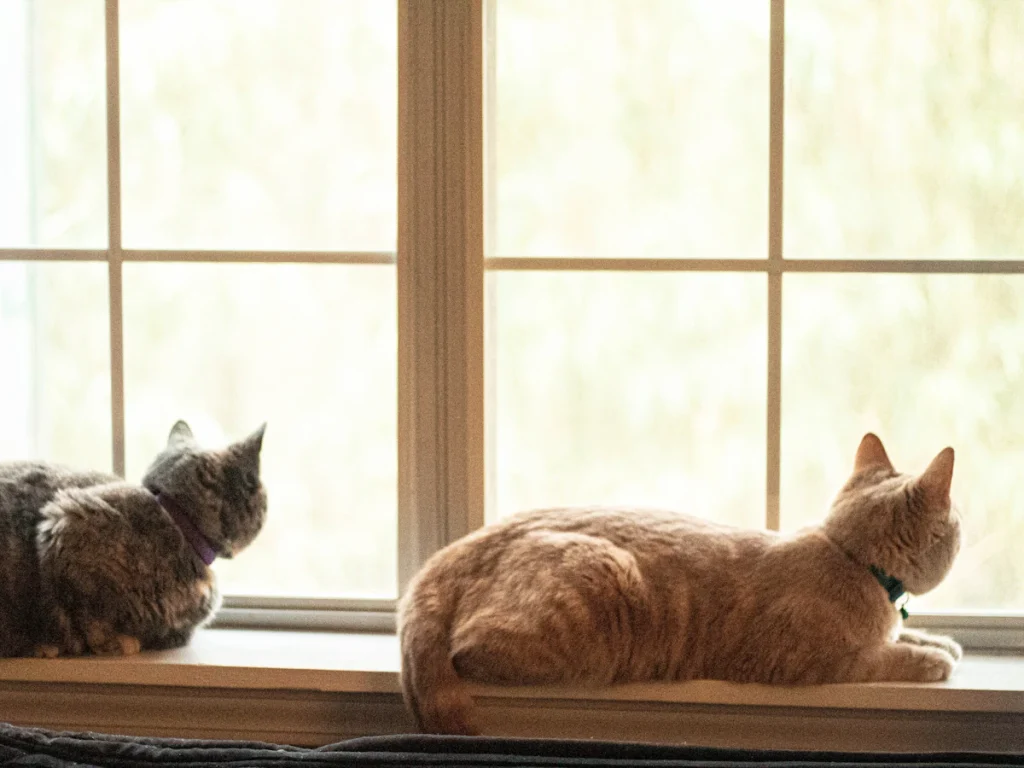
Simple, affordable ways to keep indoor cats active and curious, from hunting-style play and puzzle feeders to window perches.

How to choose cat litter and a litter box, how many boxes you need, how to keep them clean, and when litter problems point to a health issue.
Get New Cat Care Guides by Email
Get new guides and practical pet care tips by email. No spam, unsubscribe any time.