
Best Cat Shampoo and Grooming Guide: Brushing, Nails and Baths
Most cats groom themselves, so your job is to help with brushing, check the coat and skin, and trim nails when needed. This guide covers the basics, plus the grooming changes that deserve a vet visit.
Updated October 2026 · Written by the PetOwnerHQ editorial team · Research based, not lab tested
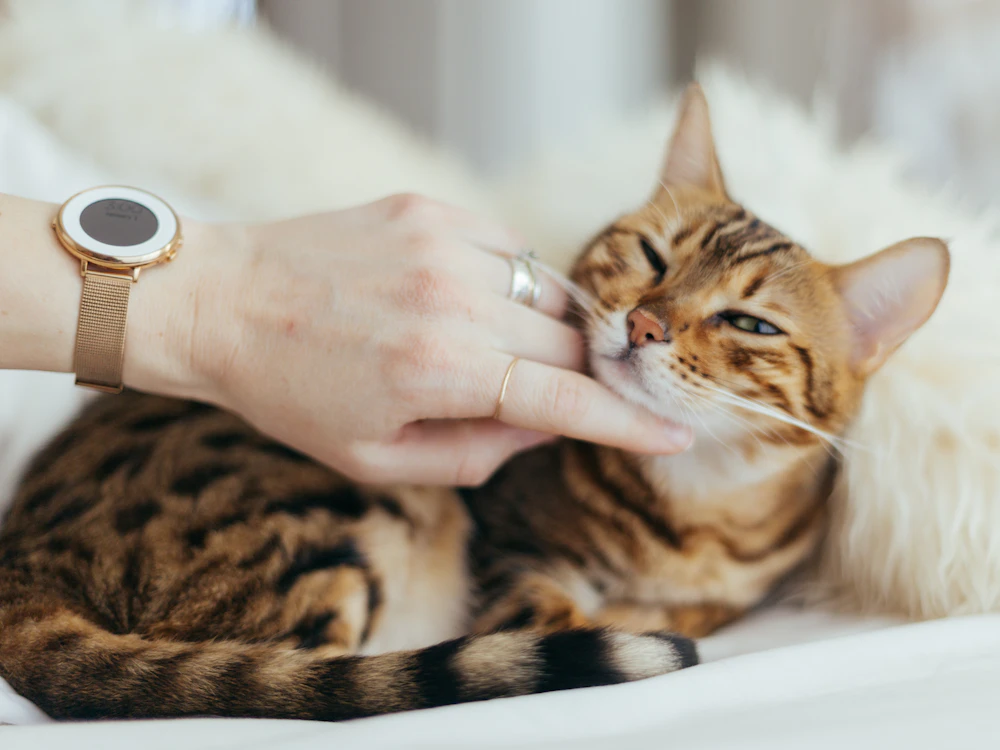
Good to know: A sudden change in how much your cat grooms, either more or less than usual, is worth a vet visit. Do not treat it as a coat problem alone.
Cat Grooming Basics at a Glance
What veterinary and animal welfare organizations suggest every cat owner should know.
Cats Self-Groom
Cats typically spend about 30 to 50 percent of their day grooming themselves.
Brush Regularly
How often depends on fur length. Long or matted coats need more help.
Check Coat and Skin
Run your hands over your cat each week to check for wounds, bumps and tangles.
Trim Claws Carefully
Use clippers made for cats and trim only the tip of the claw.
Scratchers are part of claw care too. See our guide to cat trees, beds and scratching surfaces.
Grooming Tasks at a Glance
These are general guidelines, not a routine for every cat. Your vet can tailor them to your cat’s coat, age and health.
| Task | How it is done | Worth knowing |
|---|---|---|
| Brushing | Brush in the direction the coat grows | How often depends on fur length; it can also be a positive way to bond with your cat |
| Nail trimming | Use clippers made for cats and trim just the tip | The pink “quick” inside the nail has a blood supply and can bleed if cut; ask a vet nurse to help if you are unsure |
| Bathing | Rarely needed | Most cats clean themselves, and some shampoos can irritate the skin; trim claws first if you do bathe your cat |
| Coat and skin check | A weekly hands-on check | Look for wounds, bumps, tangles, rashes, fur loss and itching |
Getting Your Cat Used to Grooming
Cats that learn to see grooming as a good thing are much easier to handle.
Go Slowly
Do not try to do everything at once. Start with short sessions.
Make It Positive
Reward your cat with praise and a favorite treat after each session.
Use the Right Tools
Choose brushes, combs or mitts to suit your cat’s fur length and preference.
When to call your vet: Matted fur close to the skin, sore or bald patches, itching, rashes, or a cat that is grooming much more or much less than usual should be checked by a vet. Over-grooming can have medical causes as well as stress.
Choosing a Cat Shampoo: Dry, Hypoallergenic and Dander Formulas
Most cats groom themselves and rarely need baths, but a cat shampoo can help with greasy coats, dander or a messy accident. Always use a product made for cats, never dog or human shampoo, and rinse well so your cat does not lick residue.
Cat shampoo and conditioner sets add moisture for dry skin and coats. Hypoallergenic cat shampoo and dander shampoo are made to be gentle and can help reduce loose dander on the coat. Dry shampoo for cats is a good option for cats who hate water, applied as a foam or powder and brushed out.
Brush regularly to prevent mats, and talk to your vet or a groomer before using any flea products or treating skin problems.
Your Questions, Answered
How often should I brush my cat?
It depends on your cat’s fur length and individual situation. Long-haired cats and cats with matted fur usually need more help than short-haired cats. Ask your vet what suits your cat.
Do cats need baths?
Most cats do not need regular baths, because they groom themselves. If your cat does need one, ask your vet first, trim the claws beforehand, and be aware that some shampoos can irritate a cat’s skin.
How do I trim my cat’s nails safely?
Use clippers made for cats and trim only the very tip of the claw. The pink quick inside the nail has a blood supply and can bleed if cut. If you are unsure, ask your vet or a vet nurse to show you how or to do it for you.
My cat keeps getting hairballs. What can I do?
Regular brushing removes loose hair that your cat would otherwise swallow while grooming. If hairballs continue despite regular brushing, ask your vet to recommend a solution.
Why is my cat grooming too much?
Cats lick when an area is itchy or painful, so over-grooming can have a medical cause, such as fleas, lice or mats. If medical problems are ruled out, stress may be involved. Check with your vet before assuming it is a habit.
My cat has stopped grooming. Should I worry?
A cat that is suddenly grooming less than usual may not be well. Make a vet appointment rather than waiting to see if it passes.
What is the best shampoo for cats?
Choose a shampoo made for cats with gentle ingredients and no strong fragrance. The right one depends on skin sensitivity, so ask your vet if your cat has skin problems.
How often should I bathe my cat?
Most healthy cats rarely need a bath. Brushing handles most of the work, and bathing every few weeks at most suits cats with oily coats or special needs.
Can I use dry shampoo on cats?
Dry shampoo made for cats is an option for cats who dislike water. Follow the label and brush it out so your cat does not swallow residue.
How does PetOwnerHQ decide what to recommend?
We summarize published veterinary guidance and describe grooming tasks rather than recommending branded products. Our guides are research based rather than lab tested.
Sources and further reading
We link to veterinary and animal welfare organizations so you can check the guidance behind this page yourself. Links open in a new tab.
- Cat Grooming Tips (opens in a new tab)ASPCA
- Cats Lick Too Much (opens in a new tab)Cornell Feline Health Center
- Cat grooming (opens in a new tab)Cats Protection
- Cat Grooming, Bathing, Clipping, Brushing Services and Tips (opens in a new tab)The Drake Center for Veterinary Care
Related Guides
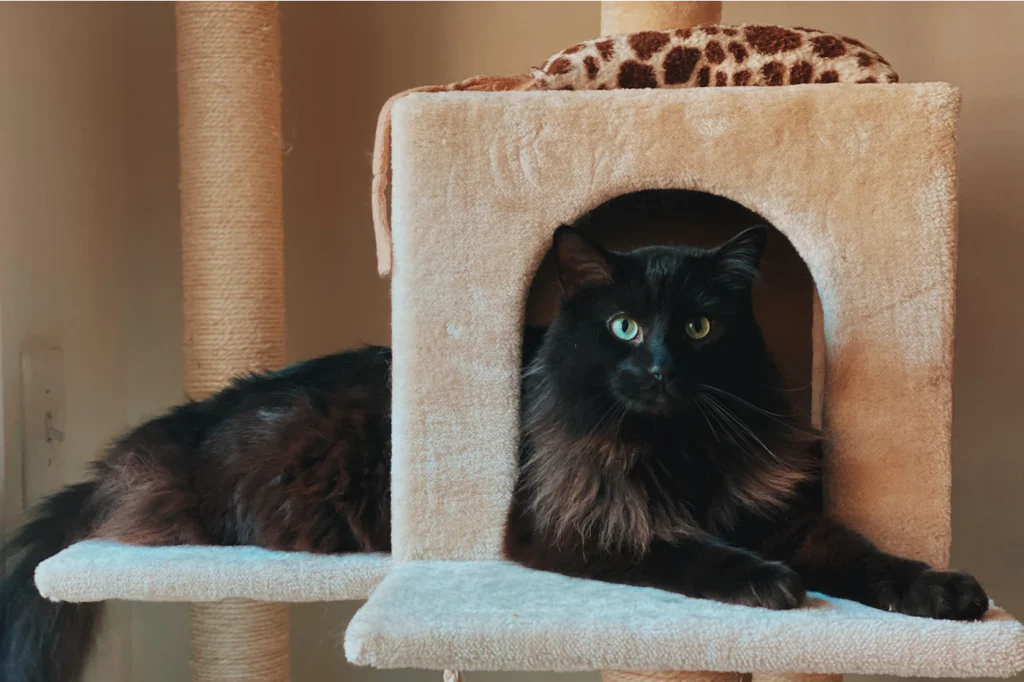
How to choose cat trees and beds: safe spaces, raised perches, scratching surfaces, how many your cat needs and when to ask your vet about movement.
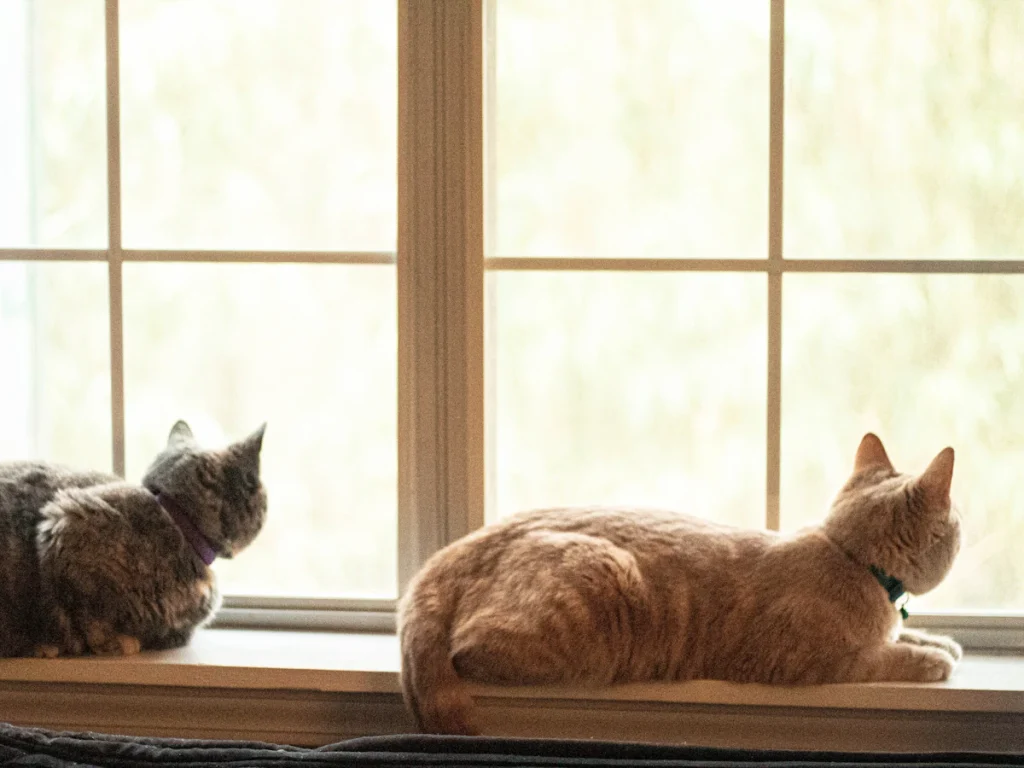
Simple, affordable ways to keep indoor cats active and curious, from hunting-style play and puzzle feeders to window perches.
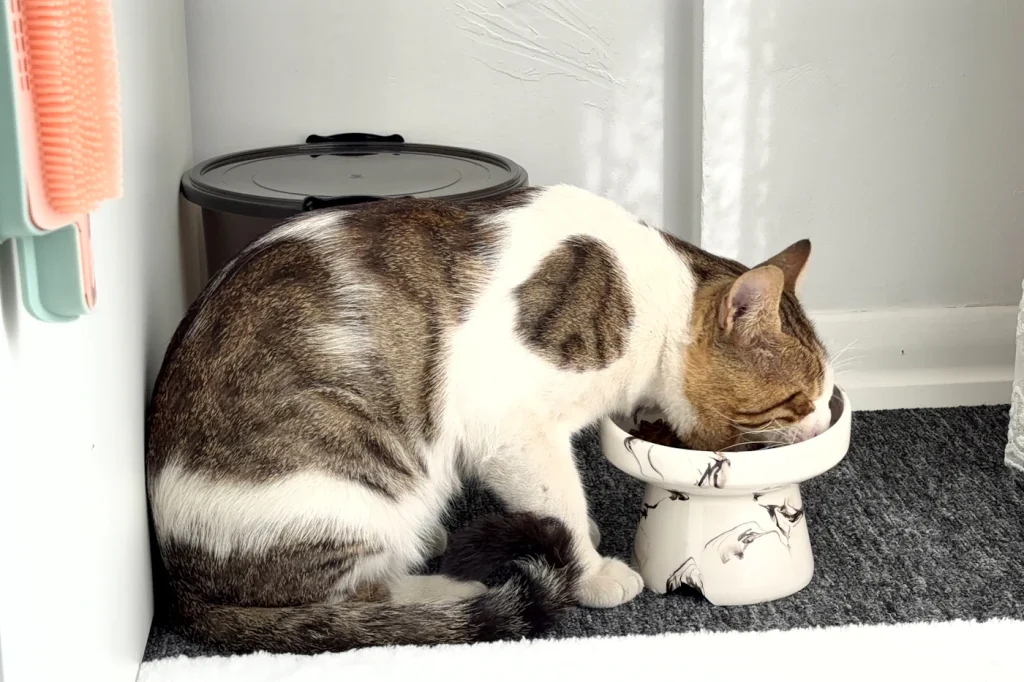
How to choose cat food: what complete and balanced means, how to read the label, life stage, calories, and which feeding questions to ask your vet.
Get New Cat Care Guides by Email
Get new guides and practical pet care tips by email. No spam, unsubscribe any time.