
Cat Wand Toys and Interactive Play Guide for Every Cat
Cats play to act out hunting, so toys that mimic prey, used in regular play with you, tend to work well. This guide covers the main toy types, how to keep play safe, and how to keep toys interesting.
Updated October 2026 · Written by the PetOwnerHQ editorial team · Research based, not lab tested
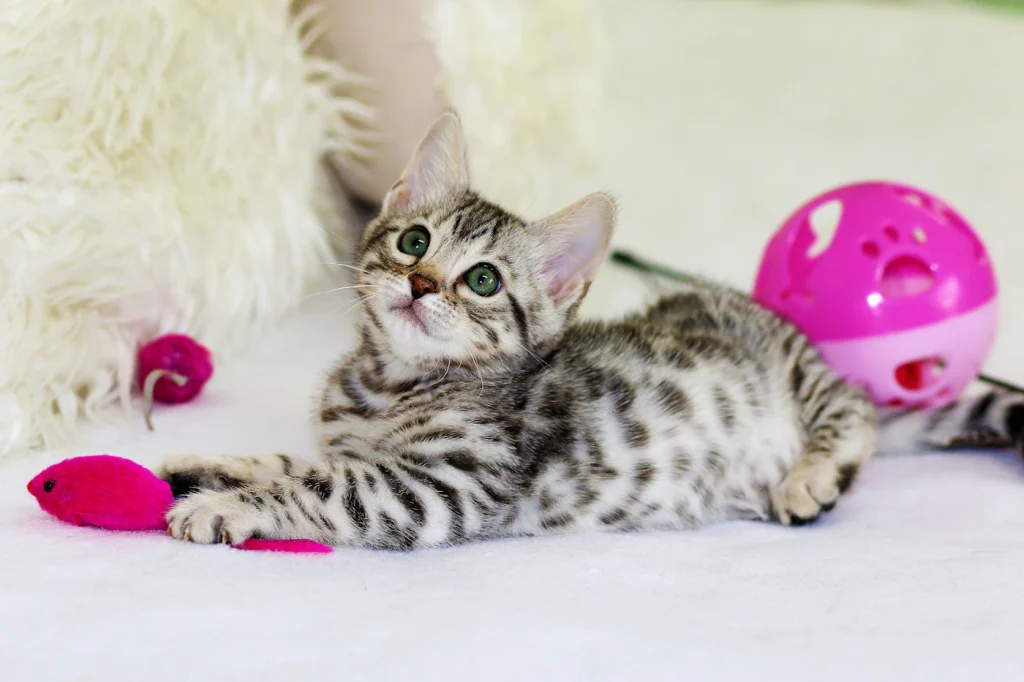
Good to know: Put away toys with strings, ribbons or small parts that can be swallowed when play is over. If your cat swallows string or yarn, call a vet right away.
Cat Toy Basics at a Glance
Veterinary guidelines treat play and hunting-style behavior as a basic part of a healthy indoor life for cats.
Play Like Prey
Toys that mimic prey, such as a mouse pulled across the floor, spark hunting behavior.
Rotate Toys
Swap toys in and out so your cat does not get bored with them.
Play With Your Cat
Play with you is part of a healthy routine, alongside toys your cat uses alone.
Make Food a Hunt
Food puzzles and feeding balls mimic hunting and can slow down eating.
Looking for more ways to keep an indoor cat active? See our indoor cat enrichment ideas.
Compare Cat Toy Types
These are general toy types, not branded products. Every cat has preferences, so watch how yours reacts and adjust.
| Toy type | How it is used | Worth knowing |
|---|---|---|
| Wand and rod toys | You move a lure so it behaves like prey | Interactive play with you; put them away afterward if they have strings |
| Soft mice and balls | Your cat bats, chases and carries them | Check regularly for loose parts that could be swallowed |
| Food puzzles and feeding balls | Your cat works to get food out | Mimic hunting and can slow down eating |
Cat Toy Safety Checklist
Most toy problems come from small parts and from anything string-like. A few habits lower the risk.
Strings and Ribbons
Put away toys with strings or ribbons after play so they cannot be swallowed.
Small and Loose Parts
Check toys often and throw away any with parts that could come loose and be swallowed.
Yarn, String and Tinsel
Long, thin items can cause a serious intestinal blockage. Keep them out of reach.
When to call a vet: If your cat swallows string, yarn or tinsel, call your vet or an emergency clinic right away, even if your cat seems fine. A sudden drop in play or activity can also be a sign of a health problem, so mention it at your next vet visit.
Cat Wand Toys and Interactive Play
Cat wand toys are one of the easiest ways to give a cat exercise and a safe outlet for hunting instincts. A wand with a feather, ribbon or small plush on a string lets you move the lure like prey, and short sessions once or twice a day work well for most cats.
Dancer-style lure toys use a spinning or bouncing piece on a wire and suit cats who like to leap. A cat wobbler or treat puzzle slows eating and keeps indoor cats busy. For older cats, choose gentle, low-to-the-ground play and softer toys that do not need big jumps.
Always put wand toys away after play, because strings and ribbons can be swallowed. Replace toys that fray or lose small parts, and let your cat catch the lure at the end of a session so play feels rewarding.
Your Questions, Answered
What kind of toys do cats like?
Every cat is different, but toys that mimic prey, such as a toy mouse pulled across the floor or a wand toy, are a good starting point. Watch how your cat reacts and adjust.
How often should I play with my cat?
Veterinary guidelines call for regular opportunities to play and hunt rather than a fixed number of minutes. Start with sessions that suit you and your cat, and ask your vet about your cat’s needs.
Why does my cat lose interest in toys?
Cats can get bored with toys that are always out. Veterinary guidance suggests rotating toys so they stay interesting.
Are food puzzles good for cats?
Feeding devices that make a cat work for food mimic hunting and can slow down eating, and they are one way to meet a cat’s need for play and predatory behavior. Ask your vet how to fit them into your cat’s daily food.
Are string toys safe?
String, yarn and tinsel can cause a dangerous intestinal blockage called a linear foreign body if swallowed. If you use string toys, use them in interactive play and put them away afterward. If your cat swallows string, call a vet right away.
My cat suddenly stopped playing. Should I worry?
A change in play or activity can be a sign of a health or behavior problem. Veterinary guidance advises checking with your vet to rule out medical causes.
Are cat wand toys safe?
They are safe when you supervise play and store them out of reach afterward. Strings, ribbons and small parts can be swallowed, so replace worn toys.
How often should I play with my cat using a wand toy?
Most cats do well with a few short sessions a day of about 10 to 15 minutes. Watch your cat for panting or losing interest and stop there.
What are good toys for older cats?
Soft toys, gentle wand play near the floor and food puzzles are good choices. Avoid high jumps if your cat is stiff, and check with your vet if play suddenly drops.
How does PetOwnerHQ decide what to recommend?
We summarize published veterinary guidance and describe toy types rather than recommending branded products. Our guides are research based rather than lab tested.
Sources and further reading
We link to veterinary and animal welfare organizations so you can check the guidance behind this page yourself. Links open in a new tab.
- AAFP and ISFM Feline Environmental Needs Guidelines (opens in a new tab)American Association of Feline Practitioners and International Society of Feline Medicine, 2013
- Feline Environmental Needs Guidelines (opens in a new tab)VCA Animal Hospitals
- Linear Foreign Body in Cats (opens in a new tab)VCA Canada
Related Guides
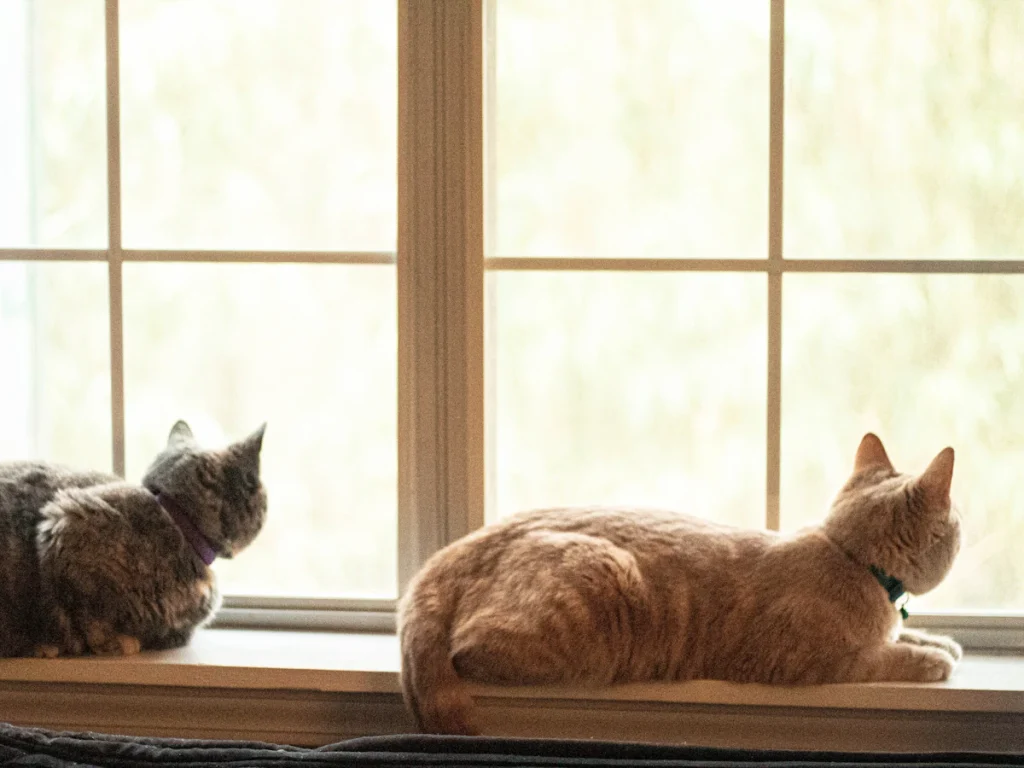
Simple, affordable ways to keep indoor cats active and curious, from hunting-style play and puzzle feeders to window perches.
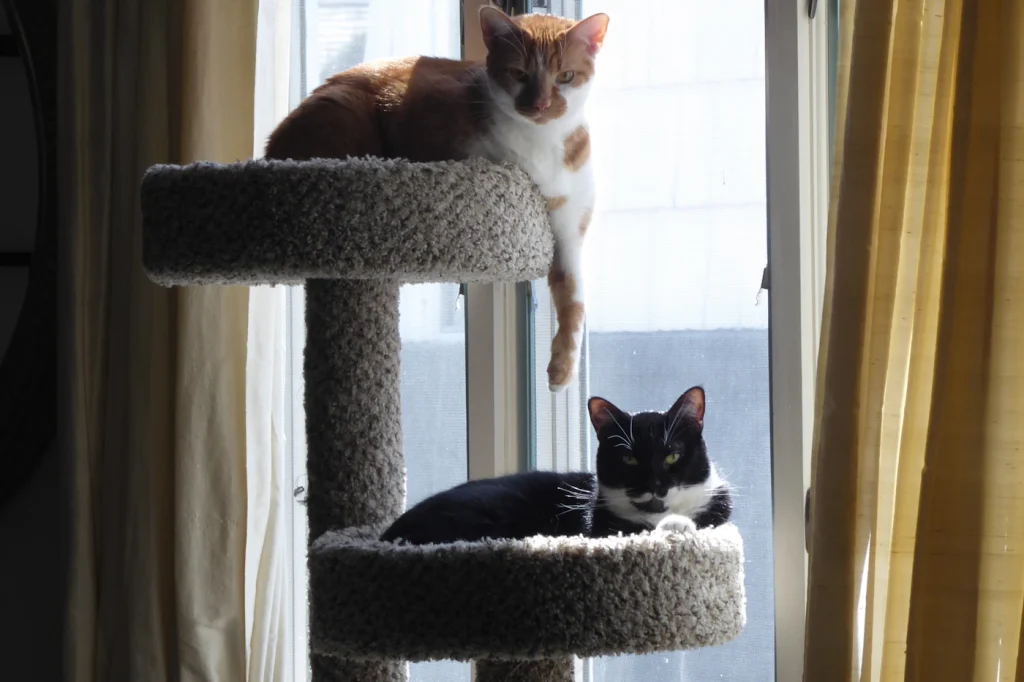
What makes a cat tree safe, sturdy and useful, and how to match height and layout to your cat.
How to choose cat litter and a litter box, how many boxes you need, how to keep them clean, and when litter problems point to a health issue.
Get New Cat Care Guides by Email
Get new guides and practical pet care tips by email. No spam, unsubscribe any time.