
Kitten Care: When Should a Kitten Be Neutered, Plus Food, Litter and Vet Visits
A kitten needs a vet visit and vaccines, a complete and balanced kitten food, an easy-to-use litter box, gentle handling, and safe places to play and rest. This guide covers the basics of the first year and when to check with your vet.
Updated October 2026 · Written by the PetOwnerHQ editorial team · Research based, not lab tested

Good to know: This page is general information, not a care plan for your kitten. Your vet decides your kitten’s vaccines, deworming and feeding plan. If your kitten seems unwell, call your vet.
Kitten Care at a Glance
What feline veterinary guidelines put first in a kitten’s early life.
First Vet Visit
It is the time to plan vaccines and care, and to make vet visits a positive experience.
Core Vaccines
Kittens need a series of core vaccines. Your vet sets the schedule.
Gentle Handling
Gentle, positive handling in the early weeks helps kittens grow up less fearful.
Easy Litter Access
Use a box with low sides that a small kitten can climb into easily.
Setting up for a new kitten? See our guides to cat food and cat litter and litter boxes.
Kitten Essentials by Topic
General guidance from veterinary guidelines. Your vet will tailor it to your kitten’s age, health and history.
| Topic | What to do | Worth knowing |
|---|---|---|
| Vaccines | Follow the plan your vet sets | Veterinary guidelines list FVRCP, rabies (where required by law) and FeLV as core vaccines for kittens; the FVRCP series usually starts at 6 to 8 weeks and repeats every 3 to 4 weeks until 16 to 20 weeks of age |
| Food | Feed a food labeled complete and balanced for kittens | Ask your vet how much and how often to feed |
| Litter box | Use a low-sided box and keep it clean | Scoop at least once a day |
| Socialization | Handle gently and give positive first experiences | The sensitive period starts as early as 2 to 3 weeks and may close by 9 to 10 weeks, but it varies and the quality of the experience matters most |
| Play and scratching | Offer toys and sturdy scratchers | Kittens often show hunting-style play through the first year, and scratching is normal behavior |
Setting Up Your Home for a Kitten
A few small choices make the first weeks easier for you and your kitten.
A Safe Space
Give your kitten a safe, secure place to rest, and let it explore the home slowly at first.
Play Safely
Offer toys for hunting-style play, and put away string and small parts after play.
Scratching Is Normal
Offer sturdy scratchers instead of punishing a behavior that is natural.
Read more in our cat toys guide and our guide to cat trees, beds and scratching surfaces.
When to call your vet: A kitten that is not eating, seems unusually weak or sleepy, or has repeated vomiting or diarrhea should be seen by a vet. Do not wait to see if it passes.
When Should a Kitten Be Neutered or Spayed?
Many vets recommend spaying or neutering a healthy kitten at around 4 to 6 months of age, although some clinics and shelters do it earlier once a kitten is old enough and large enough. The right time depends on your kitten’s health and weight, so ask your vet.
Spaying or neutering helps prevent unwanted litters and can reduce roaming and marking. Female kittens can go into heat from about 5 to 6 months, so planning the surgery before then is common. Ask about vaccines, flea and worm control at the same visit, and never use adult flea products on young kittens unless your vet approves.
Plan a quiet recovery space with a low litter box, and follow the aftercare instructions from your clinic.
Your Questions, Answered
When should my kitten first see a vet?
Soon after you bring your kitten home. The first visit is a chance to plan vaccines and other care, and veterinary guidelines describe it as an ideal time to create a positive experience for the kitten.
What vaccines do kittens need?
According to the 2020 AAHA/AAFP guidelines, the core vaccines for kittens are FVRCP, rabies where required by law, and FeLV for kittens up to a year old. The FVRCP series usually starts at 6 to 8 weeks and is repeated every 3 to 4 weeks until 16 to 20 weeks of age. Your vet will set the exact schedule for your kitten.
What should I feed a kitten?
A food that is labeled complete and balanced for kittens. Ask your vet how much and how often to feed. Our cat food guide explains how to read the label.
What kind of litter box does a kitten need?
A box with low sides that a small kitten can easily climb into, kept clean and in a quiet spot. Veterinary guidelines advise keeping the edges low for kittens. Our cat litter guide covers the rest.
How do I socialize a kitten?
Use gentle, positive handling and avoid stressful first encounters. The sensitive period begins as early as 2 to 3 weeks and may close by 9 to 10 weeks, but it varies and quality matters more than exact timing. If you adopt an older kitten, you can still introduce new people, places and experiences slowly and positively.
Is it normal for my kitten to pounce and scratch?
Yes. Kittens often show hunting-style play throughout the first year, and scratching is a normal behavior. Offer toys and sturdy scratchers, and avoid punishment.
When should a kitten be neutered?
Many vets suggest around 4 to 6 months, though some do it earlier if the kitten is healthy and large enough. Your vet will advise on timing.
When can a kitten be spayed?
Kittens are often spayed from about 4 to 6 months, and sometimes sooner. Spaying before the first heat is common, so book a vet visit early.
Is spay or neuter surgery safe for kittens?
It is a routine surgery that vets perform often. Your vet will check your kitten first and explain fasting, recovery and aftercare.
How does PetOwnerHQ decide what to recommend?
We summarize published veterinary guidance and describe care topics rather than recommending branded products. Our guides are research based rather than lab tested.
Sources and further reading
We link to veterinary and animal welfare organizations so you can check the guidance behind this page yourself. Links open in a new tab.
- 2021 AAHA/AAFP Feline Life Stage Guidelines: Behavior and Environmental Needs, Kittens (opens in a new tab)American Animal Hospital Association and American Association of Feline Practitioners, 2021
- 2020 AAHA/AAFP Feline Vaccination Guidelines (opens in a new tab)American Animal Hospital Association and American Association of Feline Practitioners, J Feline Med Surg 2020
- What is socialization and why is it important? (opens in a new tab)VCA Animal Hospitals
- AAFP and ISFM Feline Environmental Needs Guidelines (opens in a new tab)American Association of Feline Practitioners and International Society of Feline Medicine, 2013
Related Guides

How to choose cat litter and a litter box, how many boxes you need, how to keep them clean, and when litter problems point to a health issue.
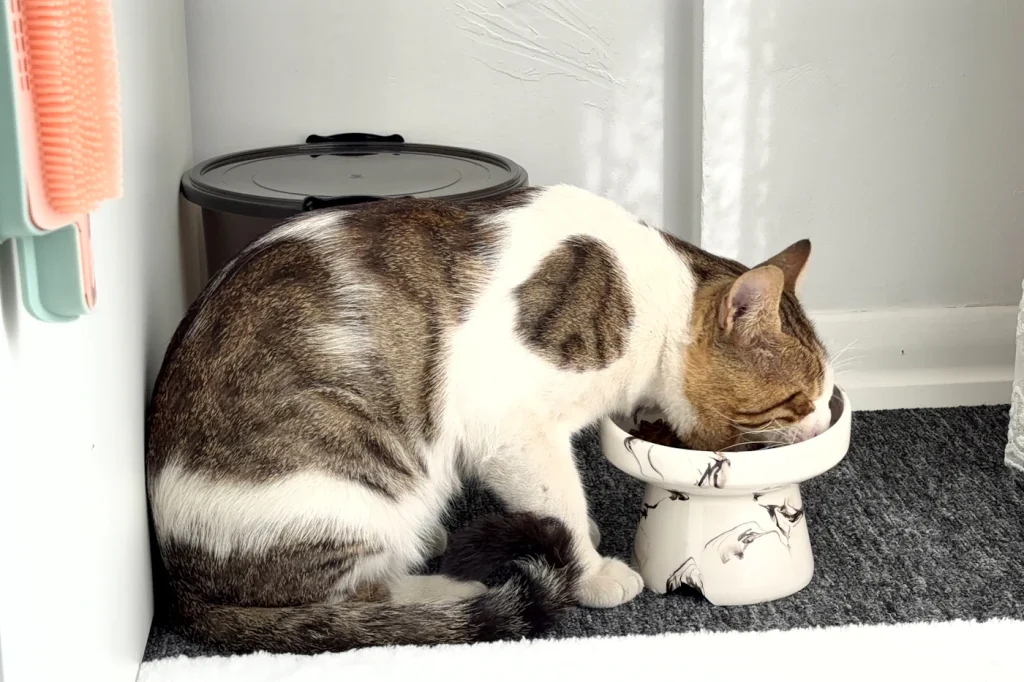
How to choose cat food: what complete and balanced means, how to read the label, life stage, calories, and which feeding questions to ask your vet.
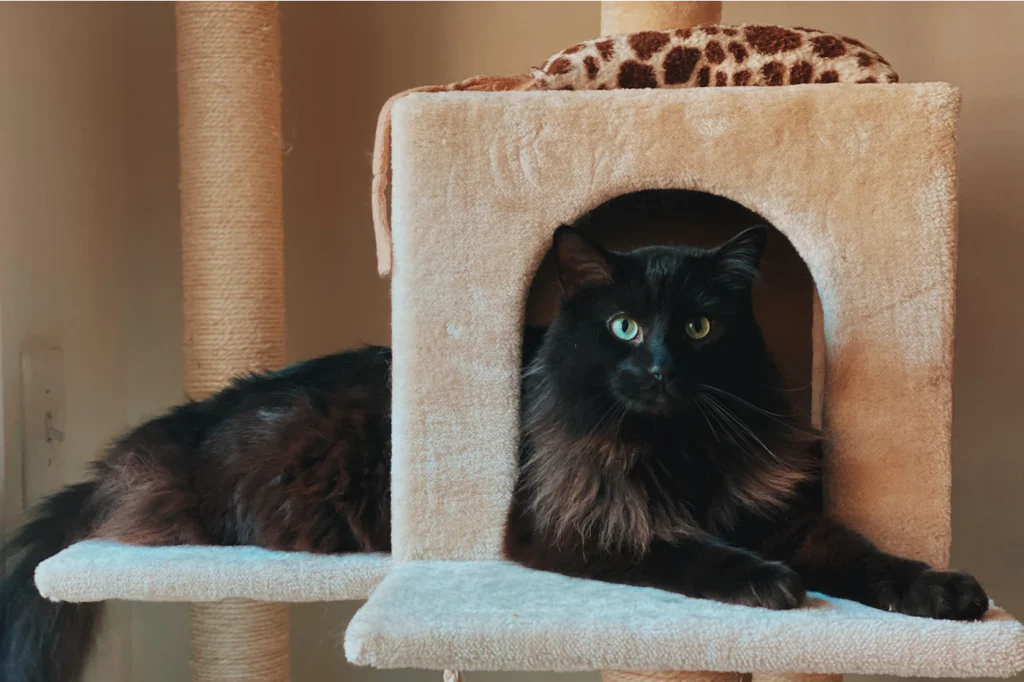
How to choose cat trees and beds: safe spaces, raised perches, scratching surfaces, how many your cat needs and when to ask your vet about movement.
Get New Cat Care Guides by Email
Get new guides and practical pet care tips by email. No spam, unsubscribe any time.