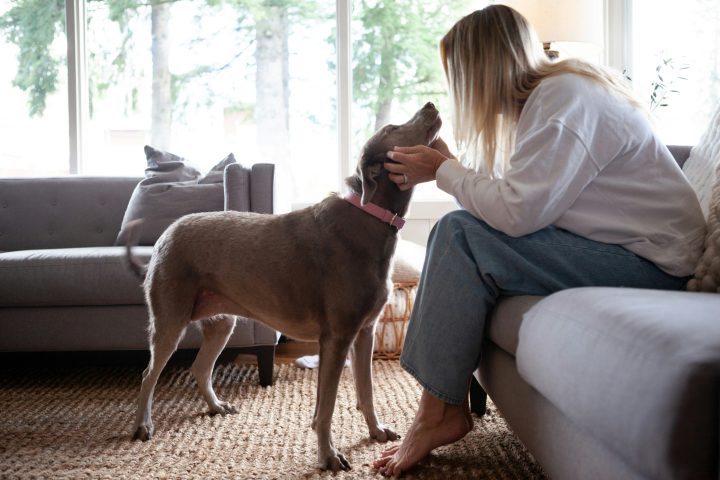

A pet health checkup, also called a wellness exam, is a routine preventive visit to the veterinarian while your dog or cat seems healthy. Your vet reviews your pet’s history, performs a physical exam and talks through vaccines, parasite prevention, dental care, nutrition and behavior. The American Animal Hospital Association (AAHA) says all pets should be examined at least annually, and some need visits more often.
That sounds simple, but many owners are unsure what actually happens in the exam room, how often to book, what to bring and when a problem should not wait for the next scheduled visit. This guide covers each of those questions for dogs and cats, with sources from veterinary organizations.
Key takeaways
- At least once a year: AAHA recommends a veterinary exam at least annually for all pets, and Merck Veterinary Manual says the same for adult dogs and adult cats.
- More often at the extremes of life: puppies, kittens and senior pets usually need more frequent visits, and your vet sets the schedule.
- Pets hide illness: dogs and cats often hide pain and discomfort, so a routine exam can catch problems before obvious signs appear.
- Prepare in advance: bring records, medications, a list of changes you have noticed and your questions.
- Every pet is different: tests, vaccines and visit frequency depend on age, health, lifestyle and location, so there is no single schedule for every pet.
What Is a Pet Health Checkup?
A pet health checkup is a scheduled, non-emergency visit focused on prevention. Merck Veterinary Manual describes routine health care as the general care that keeps a pet healthy throughout its life, including vaccinations, parasite control, dental care, nutrition and grooming (Merck Veterinary Manual: cats). A checkup is different from a sick visit, which happens because something already seems wrong.
| Wellness checkup | Sick visit | |
|---|---|---|
| Purpose | Prevent problems and spot changes early | Investigate and treat a specific concern |
| When | On a regular schedule, even if your pet seems fine | When you notice signs such as vomiting, limping or loss of appetite |
| What to expect | Physical exam, history and a preventive-care plan | Focused exam, possible tests and a treatment plan |
You may also hear the terms pet wellness exam, pet wellness check or annual exam. They describe the same routine visit.
Why Routine Veterinary Checkups Matter
Pets are good at hiding illness. AAHA notes that dogs are naturally good at hiding pain, discomfort and illness, and that regular wellness visits help prevent disease, detect problems early and manage chronic conditions (AAHA). The AAFP–AAHA Feline Life Stage Guidelines make a similar point for cats: signs of illness are often difficult to detect, and ill cats often show no signs of disease (AAFP–AAHA).
- Early detection: an exam can reveal changes in weight, dental health or body condition that you might not notice at home.
- A baseline: comparing results from one visit to the next helps your vet see trends over time.
- Preventive planning: vaccines, parasite control and diet are easier to tailor when your vet knows your pet’s lifestyle.
- A place for your questions: AAHA lists behavior, anxiety, training, nutrition and exercise as topics to raise at wellness visits.
What Happens During a Pet Health Checkup?
1. History and your observations
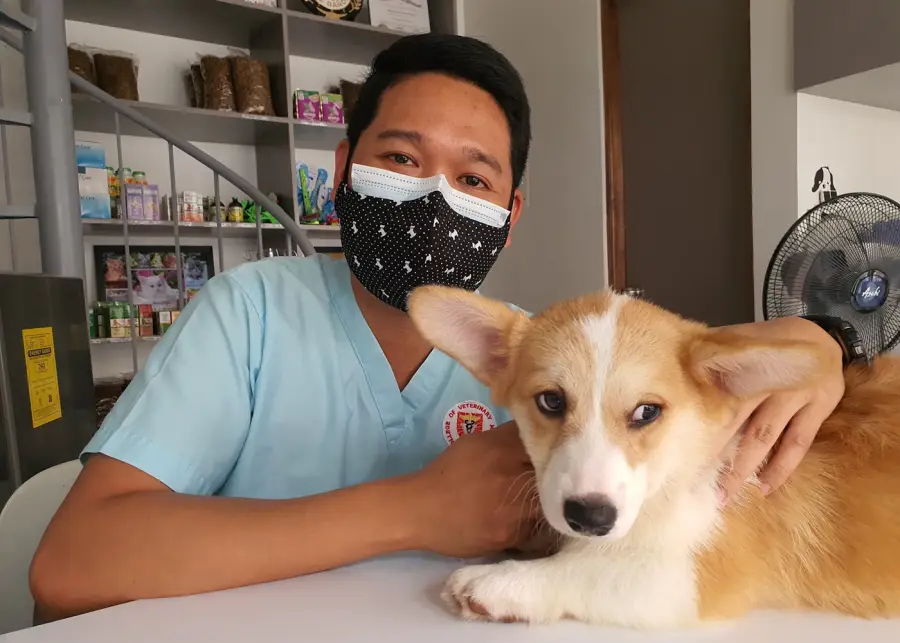
Visits usually begin with questions about appetite, drinking, energy, bathroom habits, behavior, diet and any medications. The AAFP–AAHA cat guidelines recommend open-ended questions, such as asking how the cat has been doing since the last visit. The more specific you can be, the more useful the conversation.
2. The physical exam
AAHA’s canine guidelines say a thorough exam should include the vital assessments of temperature, pulse and respiration, plus a pain assessment and a nutritional assessment that covers body weight and body condition score (AAHA Canine Life Stage Guidelines). For cats, the feline guidelines recommend observing breathing, gait and stance from a distance and comparing weight, body condition and vital signs with earlier exams. Vets also commonly check areas such as the eyes, ears, mouth, skin and coat, heart and lungs, abdomen and joints, though the exact exam varies by pet and clinic.
3. A preventive-care conversation
- Vaccines: Merck Veterinary Manual says core vaccines are recommended by nearly all veterinarians, while others depend on where you live and your dog’s lifestyle. Your vet will tell you what your pet needs and when boosters are due.
- Parasite prevention: Merck notes that vets test dogs’ stool yearly, test for heartworm yearly and recommend year-round heartworm prevention. The AAFP–AAHA cat guidelines say heartworm is a risk for both indoor and outdoor cats.
- Dental care: Merck highlights tooth brushing and professional cleanings as needed, and the cat guidelines note that cats may not show obvious signs of dental pain.
- Nutrition and weight: your vet may review diet, treats and body condition and suggest changes.
- Behavior and training: wellness visits are a good time to raise barking, anxiety, litter box changes or fear of the carrier.
4. Tests, if your vet recommends them
Not every pet needs the same tests at every visit. AAHA’s canine guidelines say testing should be based on the dog’s signalment and the findings of the history and physical exam, and the feline guidelines describe a minimum database that varies by life stage. AAHA also says vets may recommend blood work and other screenings for senior dogs. If your vet suggests a test, ask what it checks for and how the result could change your pet’s care.
Dog and Cat Checkups: Key Differences
| Dogs | Cats | |
|---|---|---|
| Adult visit frequency | At least once a year (Merck, AAHA) | At least once a year (Merck, AAFP–AAHA) |
| Senior visits | Twice a year or more for senior dogs (Merck lists over 7–8 years) | Twice a year or more for senior cats (Merck lists over 8–9 years) |
| Common challenge | Excitement, nerves or pulling on the leash | Stress from the carrier and the car ride |
| Hidden illness | Dogs are naturally good at hiding pain and illness | Signs of illness are often difficult to detect |
| Parasite note | Yearly heartworm test and year-round prevention (Merck) | Heartworm risk exists for indoor and outdoor cats (AAFP–AAHA) |
| More frequent visits | Mature and senior dogs, or as your vet advises | Seniors and cats with medical or behavioral conditions |
Indoor cats are not exempt. The AAFP and AAHA support a minimum of annual wellness exams for all cats.
How Often Should Pets Have a Checkup?
The short answer is at least once a year for healthy adults, with extra visits for young and senior pets. AAHA says life stage depends on breed and size as well as age, so the table below is a starting point to discuss with your vet, not a fixed rule.
| Life stage | Dogs | Cats |
|---|---|---|
| Puppy or kitten | Merck: every 3 to 4 weeks until 4 months old | Several early visits for vaccines and parasite care; your vet sets the schedule |
| Young adult | AAHA: at least yearly; some dogs benefit from twice a year | At least yearly |
| Mature adult | AAHA: once or twice a year | At least yearly; more often if your vet advises |
| Senior | Twice a year or more (AAHA, Merck) | Twice a year or more (Merck) |
For puppies and kittens, see our guides to puppies and kittens. For older pets, our pages on senior dogs and senior cats cover age-related care.

How to Prepare for a Pet Health Checkup
What to bring
- Vaccination and medical records, especially if this is a new clinic. AAHA notes that vets review existing health and vaccination records at a puppy’s first visit.
- A list of medications, supplements, food and treats, including amounts.
- Notes on changes in appetite, water intake, energy, weight, bathroom habits or behavior. Our guide to monitoring your dog’s health at home shows how to track these.
- Short videos of anything that comes and goes, such as coughing, limping or unusual behavior.
- A stool sample if your clinic asks for one. Call ahead if you are unsure.
- Your microchip number and registration details so you can confirm they are current.
Questions worth asking
- Is my pet at a healthy weight and body condition?
- Which vaccines and parasite preventives fit my pet’s lifestyle and location?
- Does my pet need dental care, blood work or other screening this year?
- How often should we schedule visits from here?
- Are there changes at home I should watch for before the next visit?
Making the visit easier for cats

The AAFP–AAHA feline guidelines suggest keeping the carrier out and accessible at home and building a positive association by making it a comfortable resting, feeding or play spot. They also suggest draping a blanket over the carrier during travel. Ask your clinic whether to withhold food before the visit, since the guidelines note it may help with motion sickness and is useful if blood will be drawn.
Making the visit easier for dogs
Bring a secure leash or harness and ask the clinic whether treats are welcome. Reward-based handling practice at home, such as gently touching paws, ears and mouth, can help. See our guide to positive reinforcement dog training for the basics.
Preventive-Care Topics to Discuss With Your Vet
The AAHA/AVMA Preventive Healthcare Guidelines offer a checklist of topics for wellness visits. Common ones include:
- Vaccines matched to your pet’s lifestyle and local risks.
- Flea, tick, heartworm and intestinal parasite prevention.
- Dental health and home care.
- Weight, body condition and feeding plan.
- Behavior, training and anxiety.
- Identification. The AVMA recommends microchips plus a collar with ID, and says contact details must be kept current (AVMA).
- Mobility and pain, especially in older pets.
- Home safety. See our pet safety at home checklist.
When to Book an Appointment Sooner
Do not wait for the next scheduled checkup if your pet shows signs of illness. Merck Veterinary Manual lists these signs in dogs and advises scheduling a visit if they last more than a day or two:
- Not eating
- Being less active
- Vomiting or diarrhea
- Urinating more or less often than usual
- Coughing or sneezing
- Fluid or mucus from the eyes, ears or nose
- Hair loss, excessive itching or red spots on the skin
- Limping or not putting weight on a leg
For cats, Merck advises taking a cat that seems unwell to the vet right away. The feline guidelines add that senior cats with changes such as vocalizing or litter box problems should always be evaluated for an underlying medical problem.
Emergencies: trouble breathing, collapse, seizures, suspected poisoning or straining to urinate need immediate veterinary care. Call your vet or an emergency clinic right away, and see our safety and first aid guides for preparation. An online vet service can answer some questions, but it cannot replace a hands-on exam.
What to Expect After the Checkup
- Results and next steps: ask how and when you will hear about any lab results and what follow-up your vet recommends.
- Updated records: keep copies of vaccination records, test results and medication instructions.
- Reminders: note when the next exam, vaccine boosters and monthly preventives are due.
- Watching at home: keep tracking appetite, energy and bathroom habits, and call your vet if something changes or you have questions about the plan.
Checkup vs. Seasonal Care Routine
A vet checkup is a clinical exam performed by a veterinarian. Our seasonal pet care checklist covers the home routine you can adjust through the year, such as heat, ice and holiday hazards, and our pet care tips guide covers everyday habits. Use them together, and treat the exam as the professional check on all of it. Browse more in our wellness guides.
Editorial note: this guide summarizes published veterinary guidance and is general information. It does not diagnose conditions or replace advice from your veterinarian, who will tailor exams, tests and vaccines to your individual pet.
Frequently Asked Questions
What is a pet health checkup?
A pet health checkup is a routine preventive visit to the veterinarian while your pet seems healthy. It usually includes a history, a physical exam and a discussion of vaccines, parasite prevention, dental care, nutrition and behavior.
How often should pets have a checkup?
AAHA says all pets should have a veterinary exam at least annually. Merck Veterinary Manual lists puppies every 3 to 4 weeks until 4 months old, and twice a year or more for senior dogs and cats. Your vet may recommend a different schedule.
Do indoor cats need a checkup?
Yes. The AAFP and AAHA support a minimum of annual wellness exams for all cats, and signs of illness in cats are often difficult to detect.
What should I bring to a pet wellness exam?
Bring vaccination and medical records, a list of medications and foods, notes or videos of any changes, a stool sample if requested, and your questions. Use a secure carrier for cats and a secure leash or harness for dogs.
Does my pet need blood work at every checkup?
Not necessarily. AAHA says testing should be based on the individual dog and exam findings, and vets often recommend more screening for senior pets. Ask your vet what is advised for your pet and why.
Is a wellness exam the same as a vaccine visit?
They often happen together, but they are not the same. A wellness exam is a full health review, and vaccines are one part of it. Your vet decides which vaccines your pet needs based on lifestyle and location.
When should I not wait for the next checkup?
Contact your vet if your pet stops eating, becomes less active, vomits, has diarrhea, urinates differently, coughs, limps or seems unwell. Merck advises scheduling a visit if dog signs last more than a day or two and seeing the vet right away for a cat that seems unwell.
Final Thoughts
A regular pet health checkup is one of the simplest ways to protect your dog or cat. Book at least one exam a year, prepare a short list of observations and questions, and ask your vet how often your pet should come in at their life stage. Keep records together so each visit builds on the last.
Sources
- AAHA: Frequency of veterinary visits
- AAHA: How Often Should My Dog Go to the Vet? A Dog Life Stage Guide
- AAHA: Canine Life Stage Guidelines
- AAFP–AAHA: Feline Life Stage Guidelines
- AAHA: Understanding Your Cat’s Life Stages
- AAHA/AVMA: Preventive Healthcare Guidelines
- Merck Veterinary Manual: Routine Health Care of Dogs
- Merck Veterinary Manual: Routine Health Care of Cats
- AVMA: Microchips reunite pets with families