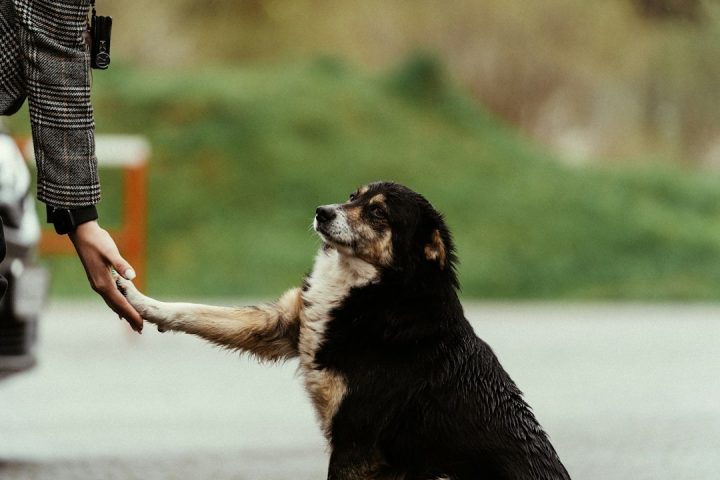

The first night with a rescue dog can feel hard for both of you. Your dog has just left a familiar place and arrived somewhere new, with unfamiliar smells, sounds and people, and may be scared, quiet, or unsettled. This guide explains what is normal, how to set up a calm space, how the popular 3-3-3 rule describes a rescue dog’s adjustment, and when to ask a professional for help. It uses guidance from the American Kennel Club (AKC) and Petfinder. Every dog is different, so treat the timelines as rough guides, not deadlines.
Key takeaways
- Expect a dog who is overwhelmed. Hiding, heavy sleeping, a smaller appetite and potty accidents can all happen in the first days, even in a house-trained dog.
- Give your dog a quiet space to retreat to, and let your dog come to you instead of forcing cuddles.
- Keep a predictable routine for meals, potty breaks and rest.
- Limit visitors and keep the home calm at first.
- Settling in often takes weeks to months. If problems continue, ask your vet or a qualified trainer for help.
What should you expect on the first night?
The AKC describes the time after arrival as decompression, the settling-in period when a dog needs space, a predictable routine and time to trust new people on the dog’s own terms. Petfinder calls the first three days the overwhelmed phase. It says a newly adopted dog may be scared and confused by the new sights, sounds, smells and people, and common signs include:
- Heavy sleeping
- A reduced appetite
- Hiding
- A quiet or withdrawn manner
- Occasional potty accidents, even in house-trained dogs
None of this means you made the wrong choice. It means your dog is adjusting.
How do you set up a safe space?
Both sources recommend a quiet retreat:
- Petfinder suggests a crate or a room, starting with just one or two rooms and widening your dog’s access to the home gradually.
- The AKC calls this place a “Zen Zone,” and says the right spot varies by dog. It could be a crate, an enclosed area, under a table, or a bedroom, and it may take a few weeks to learn which your dog prefers.
- The AKC advises treating this space as off-limits for interaction, including petting, when your dog wants to be left alone.
How should you handle the first few days?
- Let your dog approach you. Petfinder advises not forcing cuddles or play. The AKC suggests letting the dog choose interactions, including whether to be petted, because trust builds faster when a dog has choices.
- Keep a routine. Petfinder recommends consistent feeding, water and potty breaks, taking your dog out often and rewarding successes. The AKC recommends a consistent schedule for meals, potty breaks, naps, training and play, since predictability helps anxious dogs.
- Limit visitors. Petfinder advises keeping the home calm and predictable and limiting visitors at the start.
- Avoid piling on new experiences. The AKC warns about “trigger stacking,” where many stressors at once overwhelm a dog and can cause exaggerated stress responses.
- Keep children calm. The AKC advises teaching excited children to let the dog come to them and to avoid hugging or forcing play.
If your dog has accidents, see our guide on a dog suddenly peeing in the house. Stress is one factor, but a vet visit is the right first step if accidents are sudden or ongoing.
What are the signs of stress to watch for?
The AKC lists signs such as excessive panting, pacing, tucked ears or tail, lip licking, yawning, freezing, and crouching. It adds that growling is communication, not misbehavior. Punishing a growl can teach a dog to stop warning, which may lead to a bite without warning. Give your dog space and try to work out what triggered the reaction.
What is the 3-3-3 rule?
Petfinder describes the 3-3-3 rule as a rough roadmap for how a rescue dog adjusts, not a strict timeline. Each dog settles at its own pace, depending on background and personality.
First 3 days: the overwhelmed phase
Your dog may be scared, quiet, or hiding. Offer a quiet retreat, keep routines steady, and let your dog set the pace.
First 3 weeks: settling in
Petfinder says your dog grows more comfortable, explores more confidently, and begins to show a real personality. Your dog may also test boundaries or show behaviors that had been held back. At this stage, Petfinder suggests:
- Keeping routines consistent
- Starting basic training with positive reinforcement
- Introducing new experiences, people and other pets gradually
- Spending relaxed time together doing things your dog enjoys
- Seeking a professional trainer if issues such as resource guarding appear
Our step-by-step dog training guide covers how to get started.
First 3 months: feeling at home
By about three months, Petfinder says most dogs are fully comfortable, sleep soundly, know the household routine, and have fewer accidents or behavior problems. It advises continuing training and socialization and rewarding good behavior.
How can you help your dog build trust?
The AKC recommends spending quiet time near your dog and offering affection, food rewards or calm play when your dog seems ready. Keep early training indoors, in short, positive sessions with treats, toys and praise. Enrichment, such as treat-dispensing toys and nosework games, can reduce stress and build confidence, and once your dog is comfortable, slow, sniffy walks can help. See our dog behavior guides for more on understanding your dog.
How long does a rescue dog take to adjust?
The AKC says it varies. Fearful or anxious dogs may need a few weeks or months to feel comfortable, while a well-socialized puppy from a reputable breeder may settle in a few days. A routine and quiet home are generally recommended for at least the first few weeks.
When should you ask for help?
Petfinder advises consulting a veterinarian, behaviorist or certified trainer if anxiety or other issues persist after the first months, and a professional trainer if something like resource guarding appears. A vet visit is also a good idea if your dog stops eating or seems unwell, because stress and illness can look similar. If your dog panics when left alone, see our guide to dog separation anxiety.
Frequently asked questions
Why is my rescue dog so scared on the first night?
Petfinder says a newly adopted dog is often scared and confused by new sights, sounds, smells and people. Hiding, sleeping a lot, eating less and quiet behavior are common in the first days.
Is it normal for a rescue dog to have accidents in the house?
Petfinder says occasional potty accidents can happen in the first days, even in house-trained dogs. Keep taking your dog out often, reward success, and see your vet if accidents continue or begin suddenly.
What is the 3-3-3 rule for rescue dogs?
It is a rough guide: about three days to feel overwhelmed, about three weeks to settle in and show personality, and about three months to feel at home. Petfinder stresses that every dog moves at its own pace.
Should I let my rescue dog sleep in a crate?
Petfinder suggests a crate or a quiet room as a retreat, and the AKC says the right spot varies by dog, so watch where your dog feels safest. Neither source gives a single rule for sleeping arrangements.
Should I let visitors meet my new dog right away?
Petfinder advises limiting visitors in the early days and keeping the home calm and predictable.
Final thoughts
A scared rescue dog on the first night is common. Offer a quiet space, a steady routine and plenty of patience, let your dog set the pace, and ask a professional for help if worries continue. For more on training and behavior, see our training guides and dog behavior section.