
Small Cat Trees, Condos and Beds: Perches, Rest and Scratching
Cats need safe places to rest, raised spots to perch on, and sturdy surfaces to scratch. This guide explains how trees, beds and scratchers meet those needs, how many to offer, and what to check before you buy.
Updated October 2026 · Written by the PetOwnerHQ editorial team · Research based, not lab tested
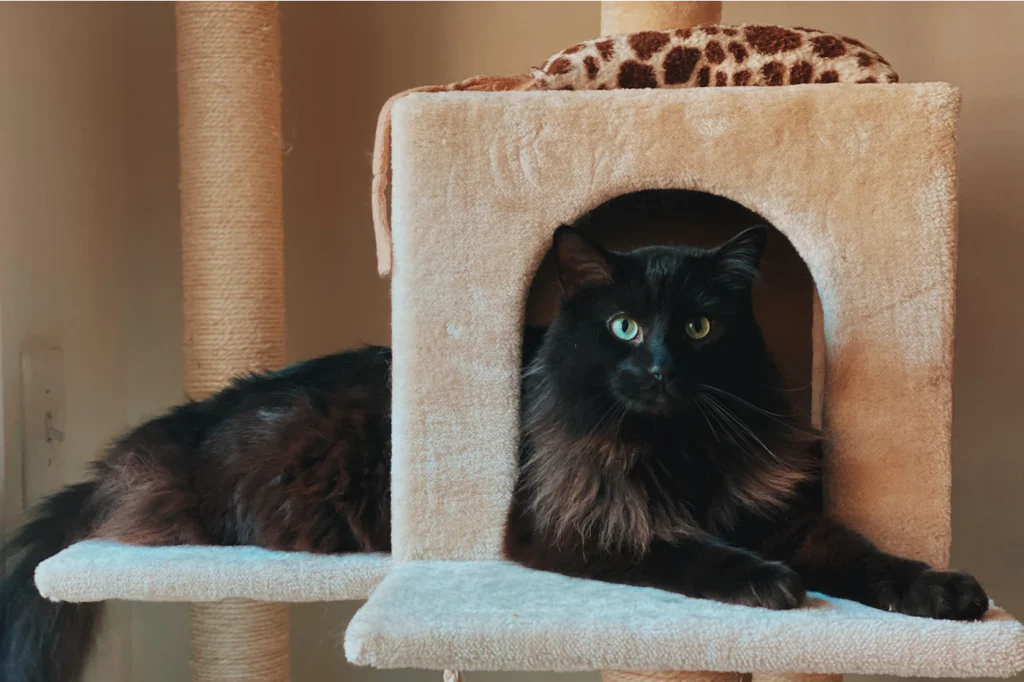
Good to know: A cat tree is only useful if it is stable. Choose one that does not wobble when your cat jumps on it, and ask your vet before encouraging climbing if your cat is older or has trouble jumping.
Trees and Beds at a Glance
Veterinary guidelines count safe resting places, raised spots and scratching surfaces among a cat’s basic environmental needs.
Safe Spaces
Every cat needs a safe, secure place to rest, such as a box, carrier, perch or hideaway.
Go High
Many cats like a raised spot to rest in and watch from.
Enough for Every Cat
Offer at least two resting areas, and at least as many safe spaces as cats.
Scratching Surfaces
Choose sturdy scratchers and place them near where your cat sleeps.
Choosing a tree? Read our guide to cat trees for indoor cats for height, layout and placement.
Compare Trees, Beds and Scratchers
These are general types, not branded products. Every cat has preferences, so watch what yours actually uses.
| Type | What it does | Worth knowing |
|---|---|---|
| Cat trees and perches | Give climbing and raised spots to rest and watch from | Some combine perches, hideaways and scratching posts; stability matters |
| Beds and hideaways | Give a safe, enclosed place to rest | Most cats prefer a space just big enough for themselves, with sides around it |
| Scratching posts and pads | Let cats scratch and stretch | Choose sturdy ones, and offer tall, horizontal or angled options |
| Wall shelves and window perches | Add raised resting spots without using floor space | Must be secure and easy for your cat to reach |
What to Check Before You Buy
A few simple checks help you pick pieces your cat will actually use.
Stability
A tree or post should not tip or wobble when your cat jumps on it or pulls on it.
Size and Fit
Platforms and beds should fit your cat’s body. A scratching post should be tall enough for a full stretch.
Easy Access and Placement
Check that your cat can reach each level, and place scratchers and beds near where your cat already sleeps.
When to talk to your vet: A sudden change in how your cat moves or what it uses, such as avoiding jumps it used to make, is worth mentioning to your vet. Do not assume it is just age or mood.
How to Choose a Small Cat Tree
A small cat tree suits apartments and single-cat homes because it gives your cat height, a scratching surface and a place to rest without taking over the room. Stability matters more than size, so look for a wide, heavy base and posts that do not wobble when your cat jumps.
Solid wood cat trees and a wooden cat tower tend to feel sturdy, while carpeted cat trees give extra grip and scratching texture. A cat tree for large cats or breeds like Maine Coons needs wide platforms and a strong frame. A raised cat bed or wall shelf can add perches where floor space is tight.
Place the tree near a window or where the family spends time, and check platforms for loose screws every few months.
Your Questions, Answered
Do cats really need a cat tree?
Cats do not need a tree specifically, but veterinary guidelines say they need safe places to rest, scratching surfaces and, for many cats, raised spots. A tree can cover several of these in one piece of furniture.
How many beds or resting spots does my cat need?
Veterinary guidance suggests at least two resting areas, and at least as many safe spaces as you have cats. In a home with several cats, spread them out, and give safe spaces more than one way in and out so one cat cannot trap another.
What kind of bed do cats prefer?
It varies, but most cats prefer a safe space just big enough for themselves, with sides around it. A cardboard box or a carrier can work as well as a bought bed.
How tall should a scratching post be?
It should be sturdy and tall enough for your cat to stretch up fully while scratching. Offer a mix of surfaces, such as tall, horizontal or angled scratchers, and place them near where your cat sleeps.
Why does my cat scratch the furniture?
Scratching is a natural behavior for cats. Veterinary guidance suggests offering suitable scratchers near sleeping areas and in front of the furniture your cat already prefers to scratch, and rewarding your cat for using them.
How do I choose a cat tree?
Look for stability, sizes that fit your cat, and levels your cat can reach. Our guide to cat trees for indoor cats covers height, layout and placement in more detail.
What size cat tree do I need for a small space?
Choose a compact tree with a stable base and at least one platform your cat can lie on comfortably. Measure the spot first and check the weight limit.
Is a wooden or carpeted cat tree better?
Wood feels sturdy and is easy to wipe clean, while carpet offers grip and scratching. Many cats like a mix of both.
What cat tree is best for large cats?
Look for wide platforms, thick posts and a heavy base so the tree does not tip. Check the listed weight limit for each level.
How does PetOwnerHQ decide what to recommend?
We summarize published veterinary guidance and describe furniture types rather than recommending branded products. Our guides are research based rather than lab tested.
Sources and further reading
We link to veterinary and animal welfare organizations so you can check the guidance behind this page yourself. Links open in a new tab.
- AAFP and ISFM Feline Environmental Needs Guidelines (opens in a new tab)American Association of Feline Practitioners and International Society of Feline Medicine, 2013
- Feline Environmental Needs Guidelines (opens in a new tab)VCA Animal Hospitals
- Scratching Resources (client handout) (opens in a new tab)American Association of Feline Practitioners
Related Guides
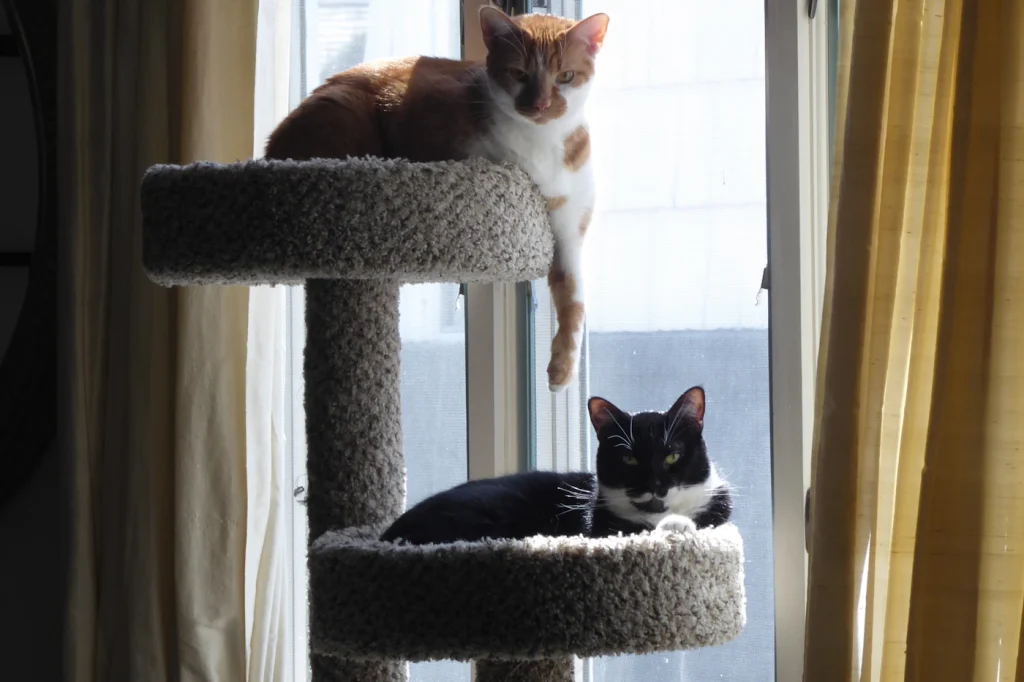
What makes a cat tree safe, sturdy and useful, and how to match height and layout to your cat.
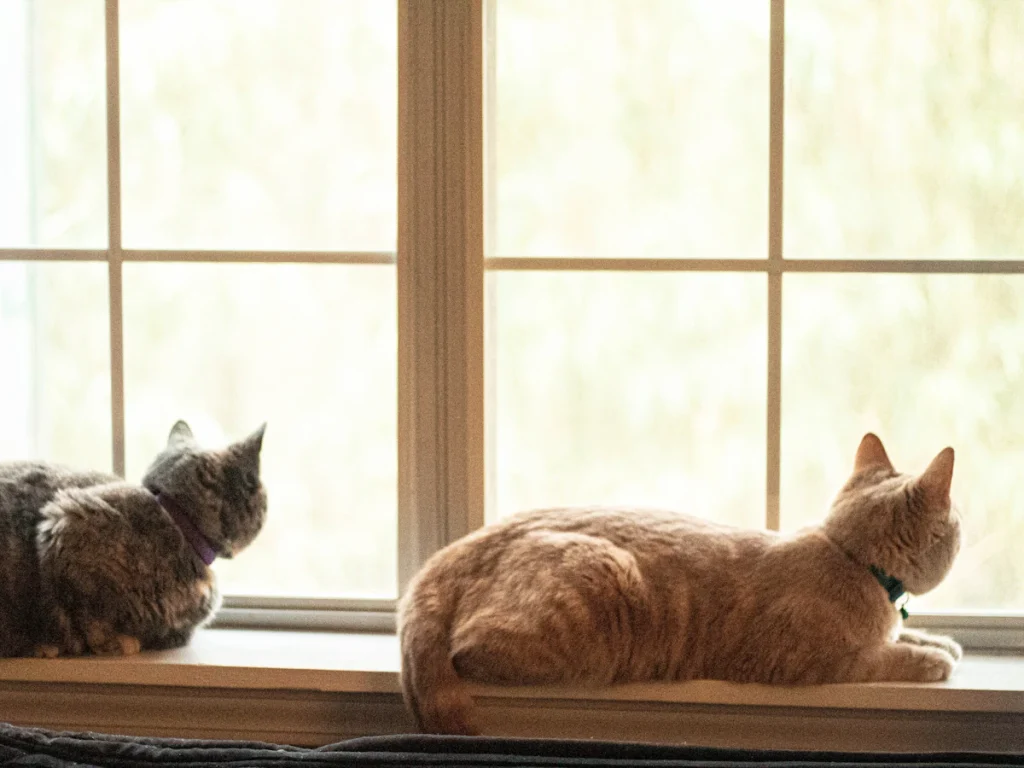
Simple, affordable ways to keep indoor cats active and curious, from hunting-style play and puzzle feeders to window perches.
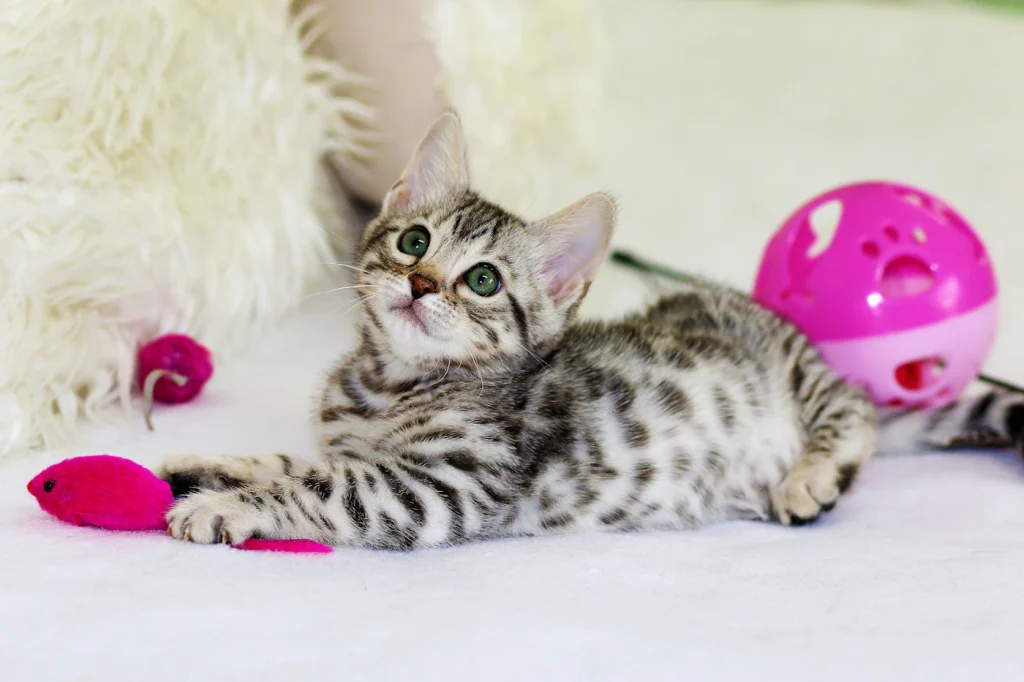
A practical guide to cat toys: toy types, safe play, rotating toys, food puzzles and when a change in play is worth a vet visit.
Get New Cat Care Guides by Email
Get new guides and practical pet care tips by email. No spam, unsubscribe any time.