
Hypoallergenic Cats and Cat Breeds: How to Choose
Many pet cats are domestic shorthairs or longhairs, which are not recognized breeds. If you are considering a pedigree breed, this guide explains how breeds differ from mixed cats, what to check about health and breeders, and where to find breed profiles.
Updated October 2026 · Written by the PetOwnerHQ editorial team · Research based, not lab tested

Good to know: This page does not rank or recommend breeds. Every cat is an individual, and some breeds are linked to inherited health conditions, so ask a vet before you decide.
Cat Breeds at a Glance
What cat welfare organizations suggest thinking about before choosing a breed.
Pedigree or Mixed
Pedigree cats are bred to look a certain way. Mixed and domestic cats are not a recognized breed.
Health Comes First
Small gene pools in pedigree breeds can be linked to extra health problems.
Avoid Extreme Features
Cat welfare charities advise choosing breeds without exaggerated features.
Check the Breeder
Choose a breeder in a registry with health and welfare rules, and ask about health testing.
Pedigree and Mixed-Breed Cats Compared
Neither is better in every way; they are just different. These are general points, not rules for every cat.
| Topic | Pedigree cat | Mixed or domestic cat |
|---|---|---|
| What it is | Bred to a breed standard and registered with an association | Not a recognized breed; often called a domestic shorthair or longhair |
| Appearance | Selectively bred to look a certain way | Varies widely from cat to cat |
| Health | Some breeds have inherited conditions linked to a small gene pool; research before you commit | A larger gene pool, so breed-linked inherited conditions are less of a concern, but any cat can have health problems |
| Cost | Can cost more to buy and to care for | Rescues and shelters often have cats needing homes |
| Where to find one | Registered breeders, breed clubs and rescues | Shelters, rescues and rehoming charities |
Where to Find Breed Profiles
We do not write breed profiles we cannot source. These organizations publish breed information you can check yourself.
A major pedigree cat registry. It registered 45 pedigreed breeds in 2022, plus neutered domestic cats in its Companion Cat program.
A cat welfare charity whose advice articles cover breeds with a focus on health and welfare.
Choosing a kitten or a cat for your home? See our guides to kitten care, cat grooming and senior cat care.
Before you commit: Ask your vet which inherited conditions are known in a breed you like, and ask the breeder what health tests have been done on the parent cats. Meet the cat in person if you can.
Hypoallergenic Cats: What the Term Really Means
No cat is completely allergen-free. People react mostly to a protein called Fel d 1 found in cat saliva and skin, so a hypoallergenic cat is one that may trigger fewer symptoms rather than none. Reactions vary from one cat and person to the next.
Breeds often mentioned for allergy-prone owners include the Siberian, Balinese, Oriental Shorthair and Devon Rex, but there is no guarantee. If you want cats for people with cat allergies, spend time with the individual cat before adopting and ask an allergist for advice. Regular cleaning, air filters and washing bedding can also help.
When comparing breeds, think about coat care, energy level and how much time you can give, not just allergy claims.
Your Questions, Answered
What is the difference between a pedigree cat and a mixed-breed cat?
Pedigree cats are selectively bred to a breed standard and registered with an association. Mixed-breed cats, often called domestic shorthairs or longhairs, are not a recognized breed, although the CFA registers neutered domestic cats in its Companion Cat program.
Are pedigree cats healthier?
Not necessarily. Because pedigree breeds are bred from smaller gene pools, some are linked to extra inherited health problems. Cats Protection recommends researching a breed’s health and needs before you commit.
How do I choose a cat breed?
Start with what you can offer: how much grooming you can do, how active your household is, and what you can spend on care. Then research the breed’s health and needs, and talk to a vet. Individual cats vary, so meet the cat if you can. Our cat grooming guide explains what coat care involves.
Are there breeds I should avoid?
Cats Protection and International Cat Care advise against breeds with extreme or exaggerated features, such as very flat faces or folded ears, because of the health problems linked to them. Ask a vet about any breed before you decide.
What about wild-hybrid breeds such as Bengals?
Cats Protection says wild-hybrid breeds such as Bengals, Chausies and Savannahs can have more complex needs than other cats. Research these needs carefully before choosing one.
Where can I find a responsible breeder?
Look for breeders registered with a recognized association that has health and welfare rules, and ask to see health test results for the parent cats. Visiting the kittens with their mother is a good idea where possible.
What is a hypoallergenic cat?
It is a cat that may cause fewer allergy symptoms, but no cat is completely allergen-free. Reactions differ from person to person.
Which cat breeds are best for allergies?
Siberian, Balinese, Oriental Shorthair and Devon Rex are often suggested, but results vary. Spend time with the cat before you commit.
Can I live with a cat if I have allergies?
Some people manage with medical advice, cleaning routines and air filters. Talk to an allergist before adopting.
How does PetOwnerHQ decide what to recommend?
We summarize published veterinary and animal welfare guidance and do not rank or recommend breeds. Our guides are research based rather than lab tested.
Sources and further reading
We link to veterinary and animal welfare organizations so you can check the guidance behind this page yourself. Links open in a new tab.
- Getting a pedigree cat (opens in a new tab)Cats Protection
- Pedigree cats (opens in a new tab)Cats Protection
- Cat advice (opens in a new tab)International Cat Care
- CFA spotlights 10 most popular feline breeds worldwide (opens in a new tab)dvm360, 2022
- Most Popular Breeds for 2023 (opens in a new tab)Cat Fanciers’ Association
Related Guides
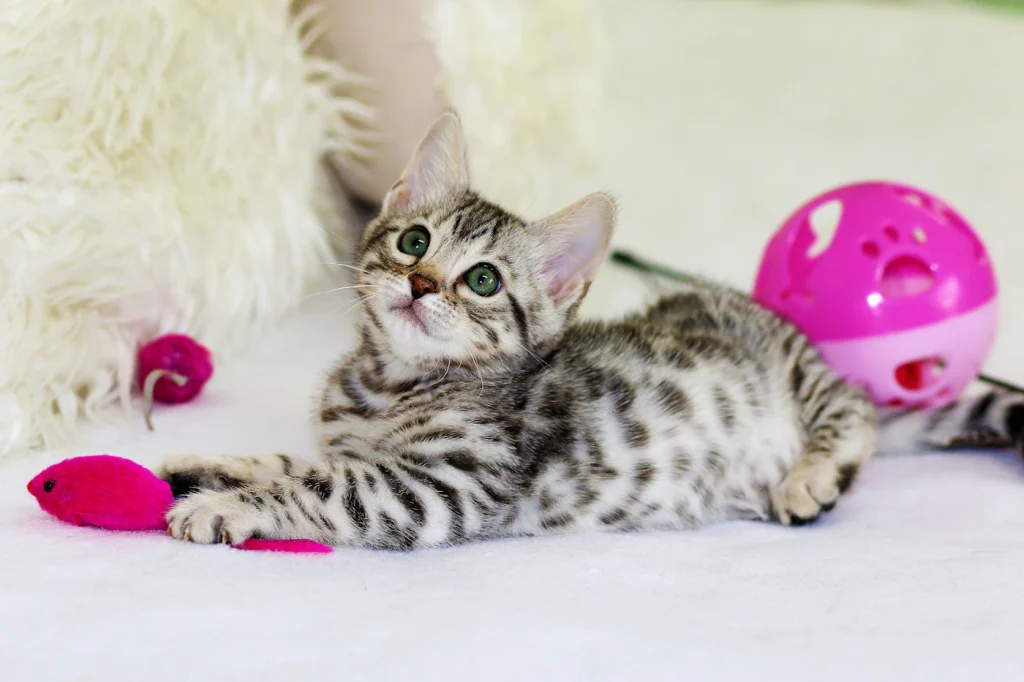
Kitten care basics: the first vet visit and core vaccines, kitten food, a kitten-friendly litter box, gentle socialization and safe play, with veterinary sources.

A practical guide to cat grooming: how often to brush, how to trim nails safely, whether cats need baths, and which grooming changes mean a vet visit.

Senior cat care basics: how often to see the vet, easier access to the litter box, bed, food and water, and mobility changes to mention to your vet.
Get New Cat Care Guides by Email
Get new guides and practical pet care tips by email. No spam, unsubscribe any time.