
Cat Food for Senior Cats and Everyday Care: Comfort, Toys and Vet Visits
Veterinary guidelines consider cats senior from about 10 years old. Senior cats need a vet checkup at least every six months, and a home that makes the litter box, bed, food and water easy to reach. This guide covers the basics and the changes to mention to your vet.
Updated October 2026 · Written by the PetOwnerHQ editorial team · Research based, not lab tested

Good to know: Changes in mobility, appetite, weight, litter box habits or behavior are worth mentioning to your vet, whatever your cat’s age. This page is general information, not medical advice.
Senior Cat Care at a Glance
What the 2021 AAHA/AAFP life stage and AAFP senior care guidelines emphasize.
See the Vet Often
Senior cats should be examined at least every six months.
Easy Access
Keep the litter box, a warm soft bed, food and water easy to reach.
Check the Litter Box
Review the box’s size, edge height and location so your cat can still use it easily.
Mention Mobility Changes
Tell your vet if your cat has trouble jumping, climbing or using stairs.
What May Need to Change at Home
A cat’s needs can change with age. Your vet can help you decide which of these matter for your cat.
| Area | What to review | Worth knowing |
|---|---|---|
| Litter box | Size, edge height and location | Avoid stairs for painful cats; low-sided boxes, or tall boxes with an easy-access doorway, can help |
| Bed | A warm, soft bed that is easy to reach | Place it where your cat already likes to rest |
| Food and water | Keep them easy to reach | Cats with sore joints may need easier access to food, water and litter boxes |
| Vet visits | At least every 6 months for seniors | The AAFP suggests every 4 months for healthy cats over 15, and more often for cats with chronic conditions |
| Weight and body condition | Checked at each visit | Tell your vet about any change in eating or weight |
Comfort and Quality of Life
Veterinary guidelines encourage owners and vets to look after an older cat’s comfort as well as its medical needs.
Quality of Life
Review your cat’s comfort and daily life with your vet as your cat ages.
Keep Life Enriched
Enrichment still matters. Choose gentler, easy-to-reach options that suit your cat’s mobility.
Watch Weight and Appetite
Weight and body condition are checked at visits. Report changes in eating or weight.
See our guides to cat toys and cat trees, beds and scratching surfaces for gentle ways to keep your cat comfortable and engaged.
When to call your vet: A cat that stops eating, strains in the litter box, has accidents outside the box, or seems to be in pain should be seen by a vet. Do not assume these are normal signs of aging.
Choosing Cat Food and Toys for Senior Cats
As cats age, their appetite, weight, teeth and energy often change. When choosing cat food for senior cats, look for a complete and balanced formula that suits your cat’s needs, and ask your vet whether a senior or health-specific diet makes sense.
Wet food for older cats adds moisture and is easier to eat for cats with dental problems, while dry food for senior cats may suit those who graze. Weigh your cat regularly and watch for changes in drinking, eating or litter habits.
Toys for senior cats should be gentle: soft toys, slow wand play and food puzzles keep older cats active without strain. If you notice confusion, nighttime crying or stiffness, these can be signs of aging or a health issue, so talk to your vet.
Your Questions, Answered
At what age is a cat considered senior?
The 2021 AAHA/AAFP guidelines consider cats over 10 years old to be senior. Cats are individuals, so your vet will look at your cat’s overall health and not just the number.
How often should a senior cat see the vet?
At least every six months, according to the guidelines. The AAFP suggests every four months for healthy cats over 15, and more often for cats with chronic health problems, so ask your vet what schedule fits your cat.
How can I make the litter box easier for an older cat?
Check the size and edge height so your cat can enter easily, and place boxes where your cat does not need to climb stairs. The AAFP notes that low-sided boxes, or tall boxes with an easy-access doorway, can help. Our cat litter guide covers the basics.
Should I change my senior cat’s food?
Do not change your cat’s diet on your own. Nutrition needs can change with age and health, so ask your vet which food and amount suit your cat. Our cat food guide explains how to read a label.
How can I tell if my older cat has a problem?
Trouble jumping or climbing, avoiding stairs, accidents outside the litter box, or changes in behavior can be signs of a problem. Tell your vet about them rather than waiting.
Do older cats still need toys and play?
Enrichment stays important at every life stage, and the life stage guidelines include enrichment in senior check-ups. Choose gentler, easier-to-reach options and ask your vet what is suitable for your cat.
What is the best cat food for senior cats?
The right food depends on your cat’s health, teeth and weight. Look for complete and balanced options and ask your vet if a senior or special diet is needed.
Is wet or dry food better for older cats?
Wet food adds moisture and is often easier to chew, while dry food can suit cats that graze. Many owners offer a mix, guided by their vet.
Do cats get senile?
Older cats can develop cognitive changes such as confusion or night waking. These signs can also have other causes, so see your vet.
How does PetOwnerHQ decide what to recommend?
We summarize published veterinary guidance and describe care topics rather than recommending branded products. Our guides are research based rather than lab tested.
Sources and further reading
We link to veterinary and animal welfare organizations so you can check the guidance behind this page yourself. Links open in a new tab.
- 2021 AAHA/AAFP Feline Life Stage Guidelines (opens in a new tab)American Animal Hospital Association and American Association of Feline Practitioners, J Feline Med Surg 2021
- 2021 AAHA/AAFP Feline Life Stage Guidelines: Life Stage Checklists (opens in a new tab)American Animal Hospital Association and American Association of Feline Practitioners
- AAFP Releases Updated Feline Senior Care Guidelines to the Veterinary Community (opens in a new tab)American Association of Feline Practitioners, 2021
- Care for the aging feline patient: more than just medicine (opens in a new tab)dvm360, 2021
Related Guides

How to choose cat litter and a litter box, how many boxes you need, how to keep them clean, and when litter problems point to a health issue.
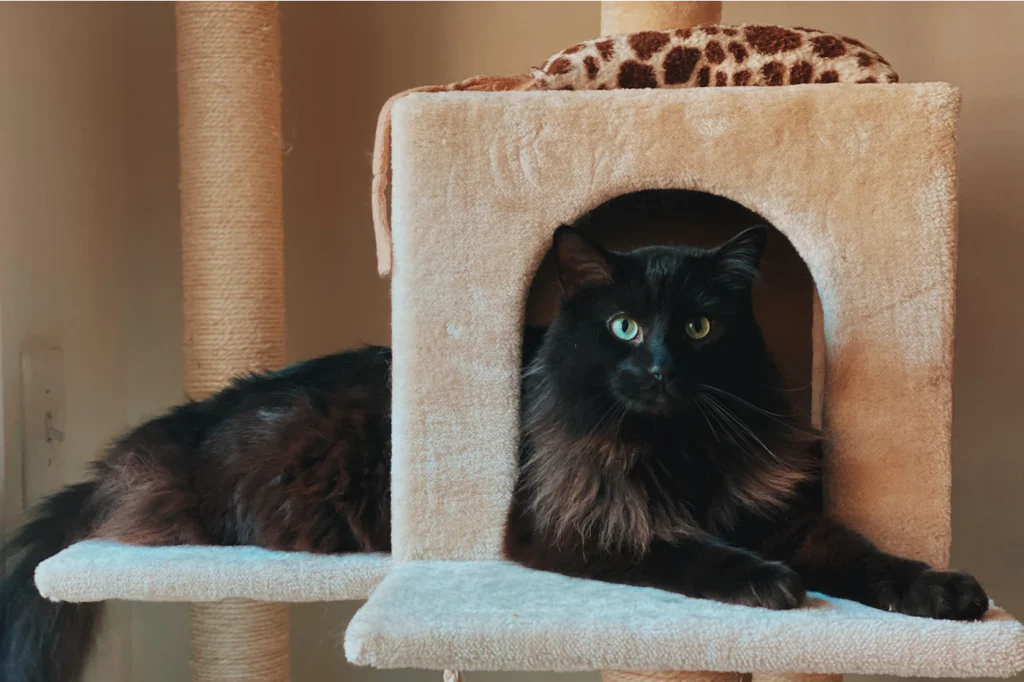
How to choose cat trees and beds: safe spaces, raised perches, scratching surfaces, how many your cat needs and when to ask your vet about movement.
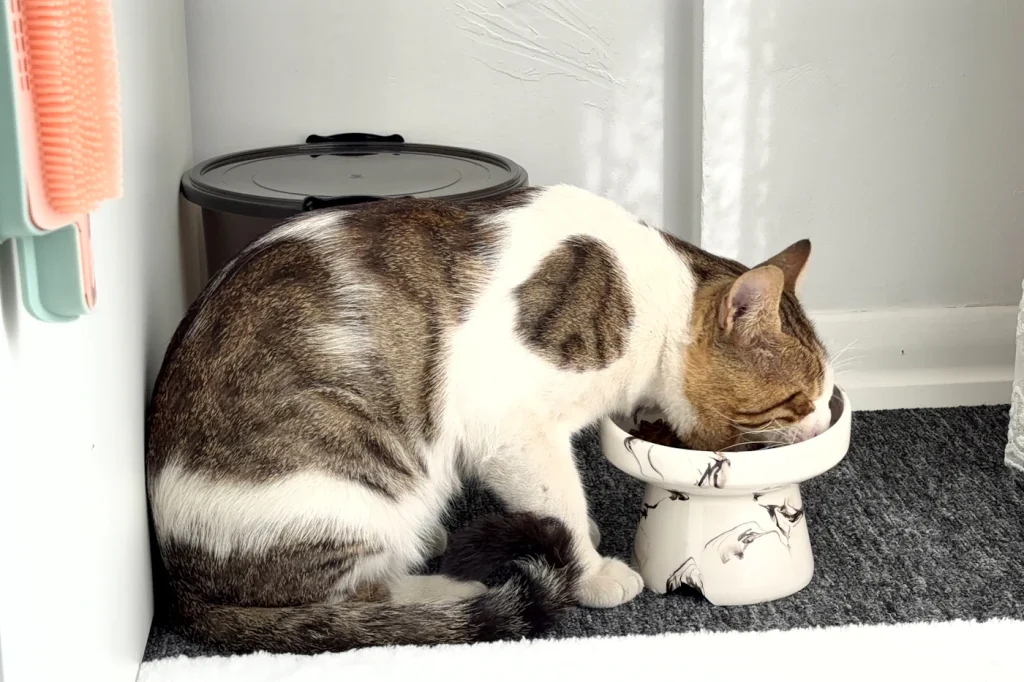
How to choose cat food: what complete and balanced means, how to read the label, life stage, calories, and which feeding questions to ask your vet.
Get New Cat Care Guides by Email
Get new guides and practical pet care tips by email. No spam, unsubscribe any time.