
Bulk Cat Litter and Litter Box Guide: Types, Setup and Storage
Most cats do best with a roomy box, scooped daily, in a quiet spot, filled with a litter they accept. This guide covers how to choose litter and a box, how many you need, and when a litter problem is really a health problem.
Updated October 2026 · Written by the PetOwnerHQ editorial team · Research based, not lab tested
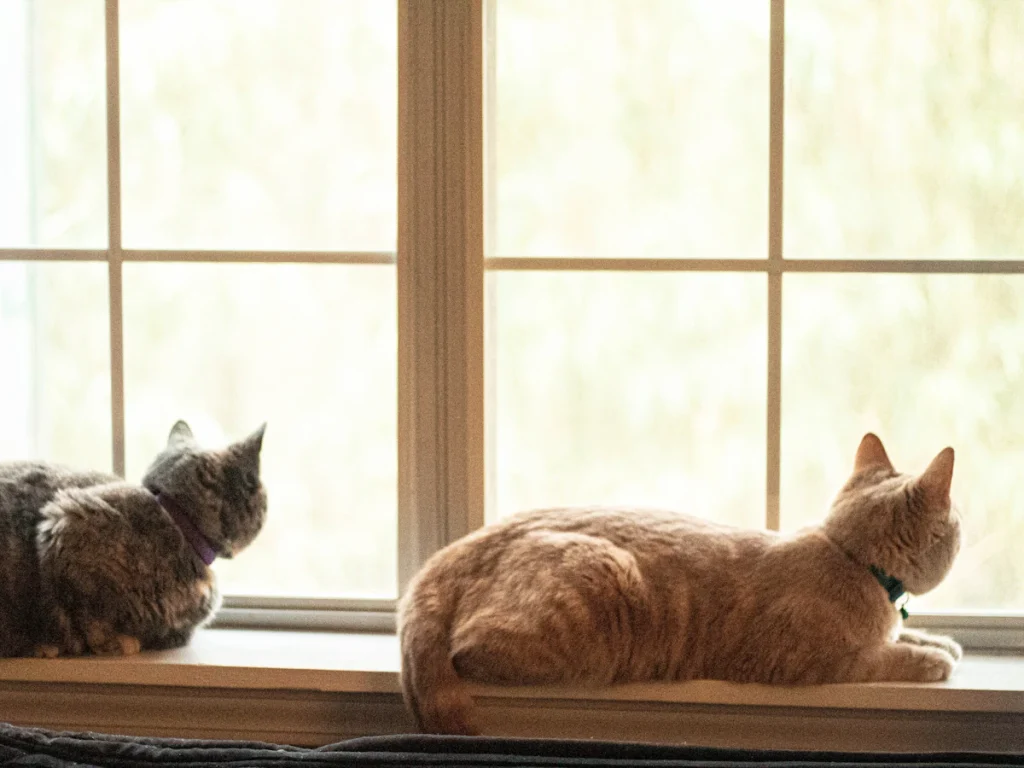
Good to know: A sudden change in your cat’s litter box habits is a reason to call your vet, not just to change the litter.
Litter Basics at a Glance
The setup choices that veterinary guidelines focus on first.
How Many Boxes
One box per cat plus one extra, in different parts of the home.
How Big
At least 1.5 times your cat’s length. Bigger is usually better.
Where to Put It
Quiet and easy to reach, and away from food and water bowls.
How Often to Clean
Scoop at least daily. Wash the box every 1 to 4 weeks with soap and hot water only.
Want the full walkthrough? Read our step-by-step guide on how to set up a litter box.
Compare Litter Types
These are general types, not branded products. Every cat has preferences, so watch how yours reacts. Many cats dislike aromatic or dusty litter, deodorizers and box liners, and if you change litter it helps to mix the new litter in gradually.
| Litter type | What it is | Worth knowing |
|---|---|---|
| Clumping clay | Clay that forms clumps when wet | Easy to scoop; popular with many cats |
| Non-clumping clay | Absorbent clay that does not form clumps | Waste is not removed as a single clump, so scooping works differently |
| Silica crystals | Lightweight, absorbent crystals | Some cats dislike the texture |
| Plant-based | Made from materials such as wood, corn or paper | Texture and scoopability vary by material |
| Recycled paper pellets | Pressed paper pellets | Sometimes advised after surgery; ask your vet |
Common Litter Problems and What to Try
Check for a health problem first. Then work through the box, the litter and the location. Cats do not go outside the box out of spite; veterinary guidelines point to unmet physical, social or medical needs.
Box Too Small or Too High
Try a larger box with a low entry, especially for kittens and senior cats.
Box Not Clean Enough
Some cats are very sensitive to a dirty box. Scoop at least once a day.
Litter or Liners They Dislike
Many cats dislike aromatic or dusty litter, deodorizers and liners. Try a plain litter.
Location or Stress
Keep boxes away from noisy spots and food. If your cat goes elsewhere, try adding a box there.
When to call a vet right away: A cat that strains to urinate, makes frequent trips to the box and passes little or no urine may have a blocked urinary tract. This is an emergency, especially in male cats, so do not wait to see if it passes.
Buying Cat Litter in Bulk: Large Quantity, Multi-Cat and Pine Pellets
Buying bulk cat litter can lower the cost per pound and means fewer trips to the store, which helps most in multi-cat homes. Before you buy a large quantity, test a small bag first, because many cats refuse a litter they dislike.
Clumping clay is the most common choice for scoopable litter. Pine pellets are a lighter, more natural option that break down into sawdust when wet, and some owners use them in pellet-style systems. Litter box liners make dumping and cleaning faster, though some cats scratch through thin ones. For multi-cat households, plan for one box per cat plus one extra, and scoop daily.
Store large bags in a dry, sealed container away from humidity, and switch litters gradually over a week by mixing old and new. If a cat suddenly avoids the box or strains to urinate, talk to your vet.
Your Questions, Answered
How many litter boxes does my cat need?
A common rule of thumb in veterinary guidelines is one box for each cat plus one extra, placed in different parts of the home. In a home with more than one level, put a box on each level.
How big should a litter box be?
Veterinary guidance suggests a box at least one and a half times the length of your cat, and bigger is usually better. Sources measure slightly differently, so go larger if you are unsure. Many commercial boxes are too small, so some owners use a large, low-sided storage container. Keep the entry low for kittens and senior cats.
Why is my cat going outside the litter box?
Cats do not do this out of spite. Veterinary guidelines point to unmet physical, social or medical needs, such as a health problem, a dirty or unsuitable box, a litter they dislike, a poor location or stress. Call your vet first to rule out a medical cause, then work through the box, litter and location.
How often should I clean the litter box?
Scoop at least once a day. Every 1 to 4 weeks, empty the box and wash it with soap and hot water only, then add fresh litter.
Are covered litter boxes better?
It depends on the cat. Veterinary guidance notes that size and whether a box is open or covered may matter to some cats, and a covered box still needs to be large enough. If your cat avoids a covered box, try taking the lid off.
Should I punish my cat for accidents?
No. Feline life stage guidelines say cats should never be reprimanded for toileting in the wrong place or taken to the box as a punishment. Look for the cause instead.
Is bulk cat litter cheaper?
Buying a larger quantity usually lowers the price per pound, but only if your cat accepts the litter and you can store it dry. Try a small bag first.
What is the best litter for multi-cat homes?
Look for a litter that clumps firmly, controls odor and is low dust. Provide one box per cat plus one extra, and scoop at least once a day.
Are pine pellets good for cats?
Many cats accept pine pellets, and they are popular for odor control. Some cats dislike the texture, so introduce them gradually and ask your vet if your cat has breathing problems.
How does PetOwnerHQ decide what to recommend?
We summarize published veterinary guidance and describe litter and box types rather than recommending branded products. Our guides are research based rather than lab tested.
Sources and further reading
We link to veterinary and animal welfare organizations so you can check the guidance behind this page yourself. Links open in a new tab.
- AAFP and ISFM Guidelines for Diagnosing and Solving House-Soiling Behavior in Cats (opens in a new tab)American Association of Feline Practitioners and International Society of Feline Medicine, 2014
- 2021 AAHA/AAFP Feline Life Stage Guidelines (opens in a new tab)American Animal Hospital Association and American Association of Feline Practitioners, 2021
- Inappropriate Elimination in Cats (client handout) (opens in a new tab)University of Illinois Veterinary Teaching Hospital
- Feline Lower Urinary Tract Disease (opens in a new tab)Cornell Feline Health Center
Related Guides
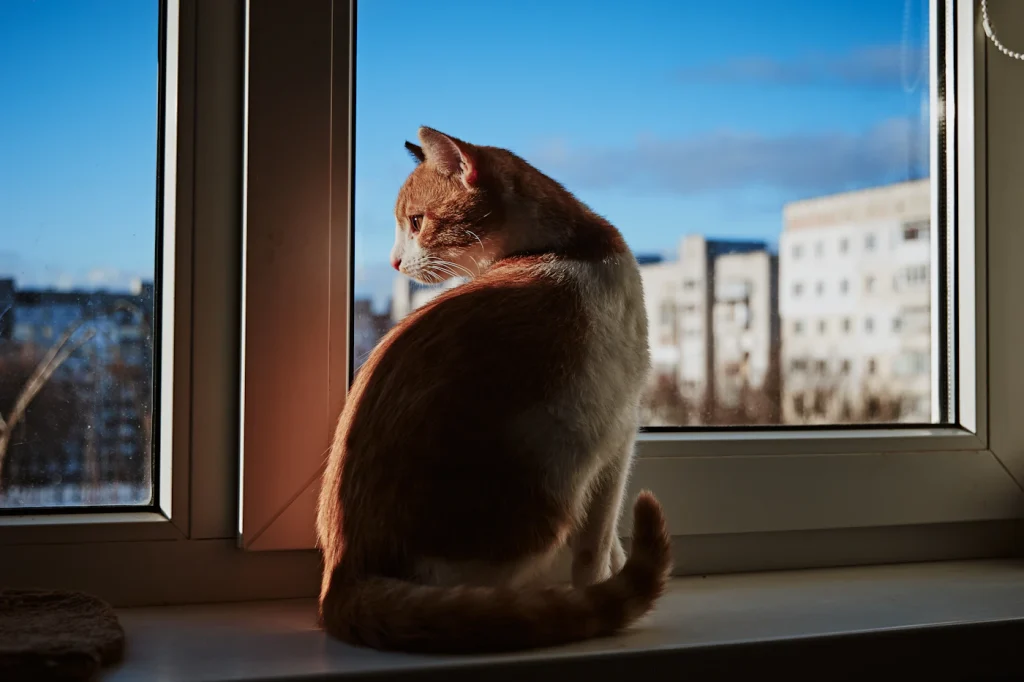
Box size, location, litter type and cleaning routine: the setup choices that keep cats comfortable and the home fresher.
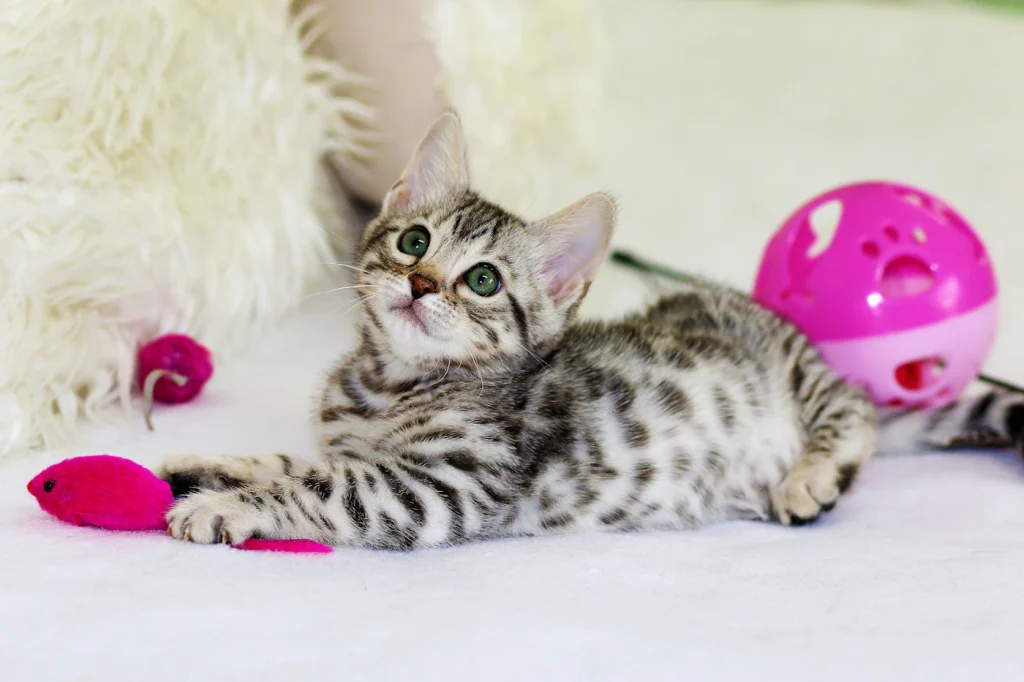
Simple, affordable ways to keep indoor cats active and curious, from hunting-style play and puzzle feeders to window perches.
Practical guides for indoor cats, starting with litter box setup, indoor enrichment and play, and choosing a cat tree.
Get New Cat Care Guides by Email
Get new guides and practical pet care tips by email. No spam, unsubscribe any time.