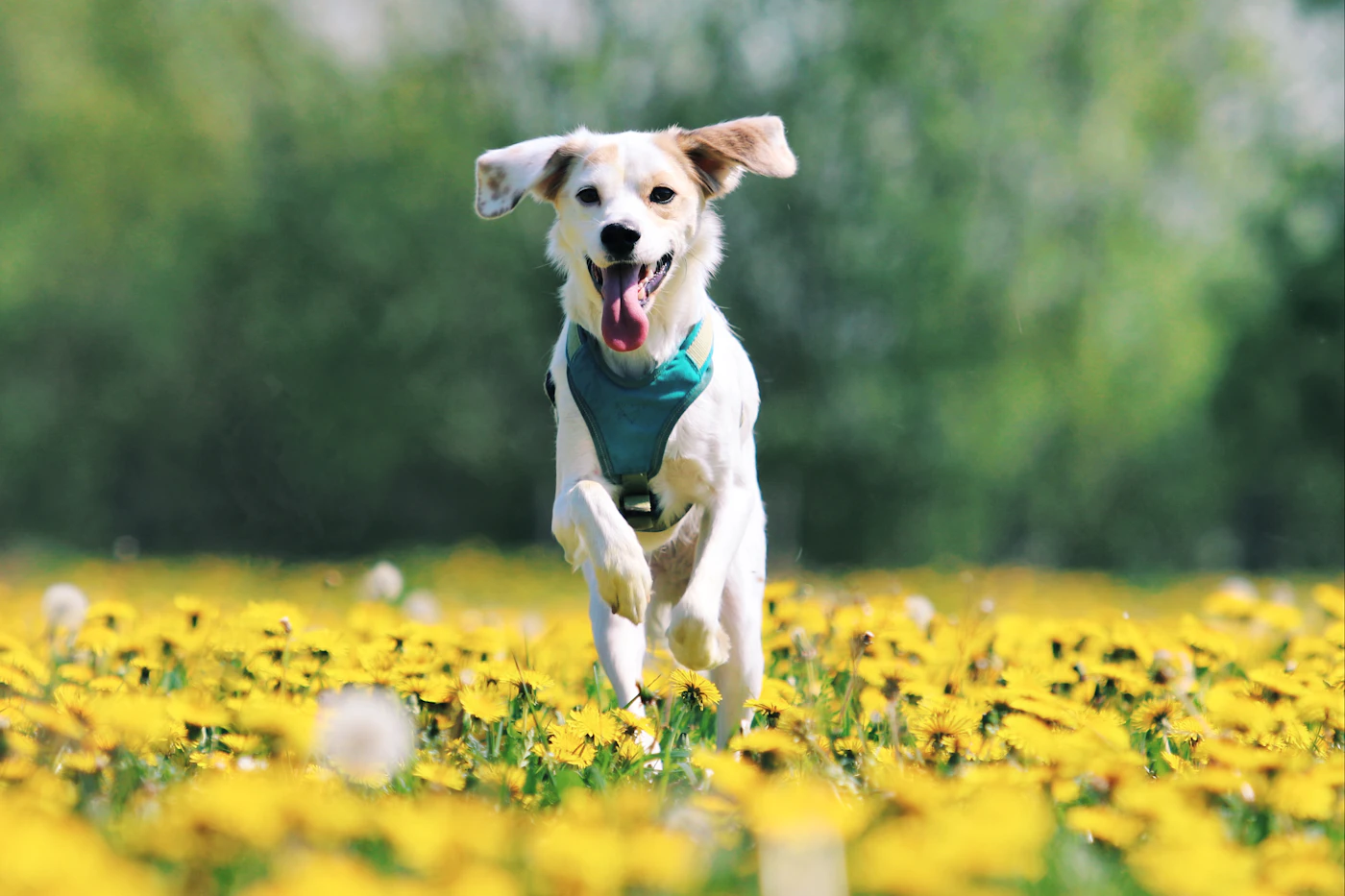
Daily exercise helps dogs stay at a healthy weight, supports joint and heart health and gives them an outlet for energy that might otherwise go into chewing or barking. The right amount depends on your dog, but almost every dog benefits from a mix of walking, play and mental challenges.
Key takeaways
- Mix it up: walks, play and sniffing games work different muscles and senses.
- Match intensity to your dog: age, breed and health all matter.
- Watch the weather: adjust timing and effort on hot or icy days.
How much exercise does a dog need?
Needs vary widely. High-energy working and sporting breeds often need more activity than toy breeds or flat-faced breeds, and puppies and seniors need shorter, gentler sessions. Your veterinarian can help you set a sensible level, especially if your dog has health conditions.
Everyday exercise ideas
Sniff walks
Let your dog set a slower pace and explore scents. Sniffing is mentally tiring in a good way and can be calming for anxious dogs.
Fetch and tug
Short bursts of fetch or tug with clear rules are great for energetic dogs. Keep sessions brief and stop before your dog gets overexcited.
Hide and seek
Hide treats or a favorite toy around the house or yard and encourage your dog to find them. This works well on rainy days.
Training games
Practicing cues like sit, down and stay in short sessions combines mental and physical activity. See our positive reinforcement training basics.
Dog-friendly hikes
For fit adult dogs, varied terrain is excellent exercise. Bring water, check trail rules and build distance gradually.
Exercise by life stage
| Life stage | General approach |
|---|---|
| Puppy | Short play sessions, plenty of rest, gentle exploration |
| Adult | Daily walks plus play or training, adjusted to breed and energy |
| Senior | Shorter, gentler walks, low-impact activity, more sniffing |
Safety tips
- Avoid strenuous exercise in the hottest part of the day and check pavement temperature with your hand.
- Increase distance and intensity gradually.
- Carry water on longer outings.
- Watch for heavy panting, lagging behind or limping, and stop if you see them.
Frequently asked questions
Can I exercise my dog right after meals?
Many vets suggest waiting a while after meals before vigorous activity. Ask your vet what is appropriate for your dog.
Is a backyard enough exercise?
A yard is useful, but most dogs still benefit from walks and interactive play for variety and mental stimulation.
My dog seems tired all the time. Should I worry?
Unusual tiredness can have many causes. Check in with your veterinarian if you notice a change in energy.
Final thoughts
The best exercise routine is one you can keep up. Combine walks, play and brain games, adjust for your dog’s age and the weather, and you will both enjoy the time together.