
Good pet care is mostly a set of small, steady habits. None of them are complicated on their own, but together they make a real difference to how comfortable, safe and settled your dog or cat feels at home. This guide pulls together the everyday essentials we think every owner should have covered, whether you have just brought home your first pet or have shared your life with animals for years.
Key takeaways
- Routine matters: regular meals, walks, play and rest help pets feel secure.
- Prevention beats reaction: routine vet checkups catch small issues early.
- Small checks add up: a weekly once-over of coat, ears, teeth and nails takes minutes.
Build a predictable daily routine
Dogs and cats are creatures of habit. Feeding at roughly the same times, walking or playing on a similar schedule and keeping a consistent bedtime all help reduce stress. A routine also makes it easier for you to spot when something is off, such as a pet who suddenly skips a meal or seems restless at night.
You do not need a rigid timetable. Aim for a rhythm your household can realistically keep on busy days as well as quiet ones.
Keep up with preventive vet care
Regular checkups give your veterinarian a chance to track weight, teeth, heart and joints over time. Your vet can also advise on vaccinations, parasite prevention and any breed-specific considerations. Keep a simple record of visits, treatments and any medications so you always have the details to hand.
When to call your vet
This article is general information, not veterinary advice. If your pet shows sudden changes in appetite, energy, breathing, toilet habits or behavior, contact your veterinarian promptly.
Feed thoughtfully
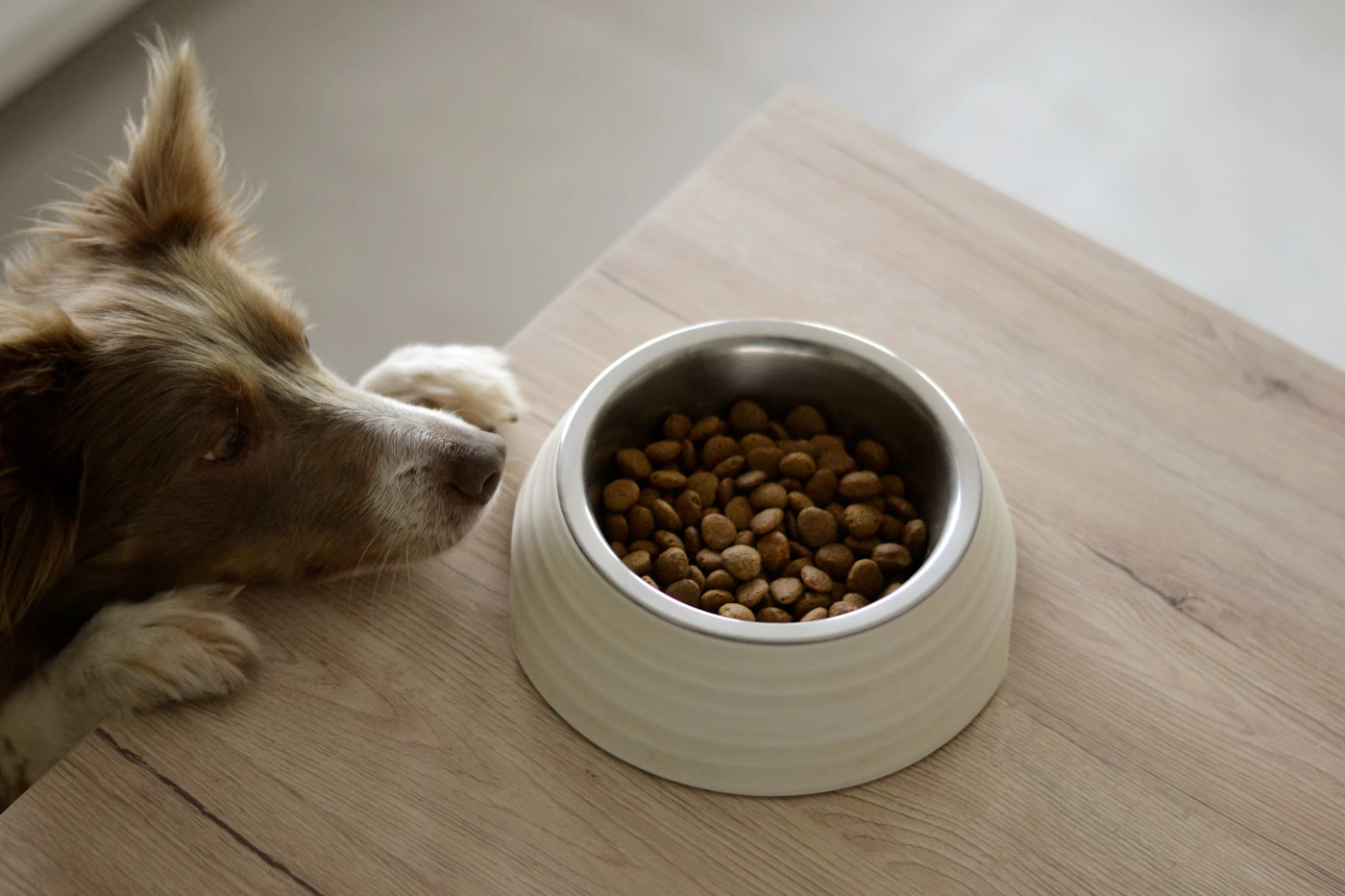
Choose a complete and balanced food suited to your pet’s species, life stage and size, and follow the feeding guide on the package as a starting point. Measure portions with a proper scoop or scale rather than guessing, and account for treats in the daily total. Fresh, clean water should always be available.
If you are thinking about switching foods, change over gradually across several days, and ask your vet before making major diet changes.
Make exercise and play part of every day
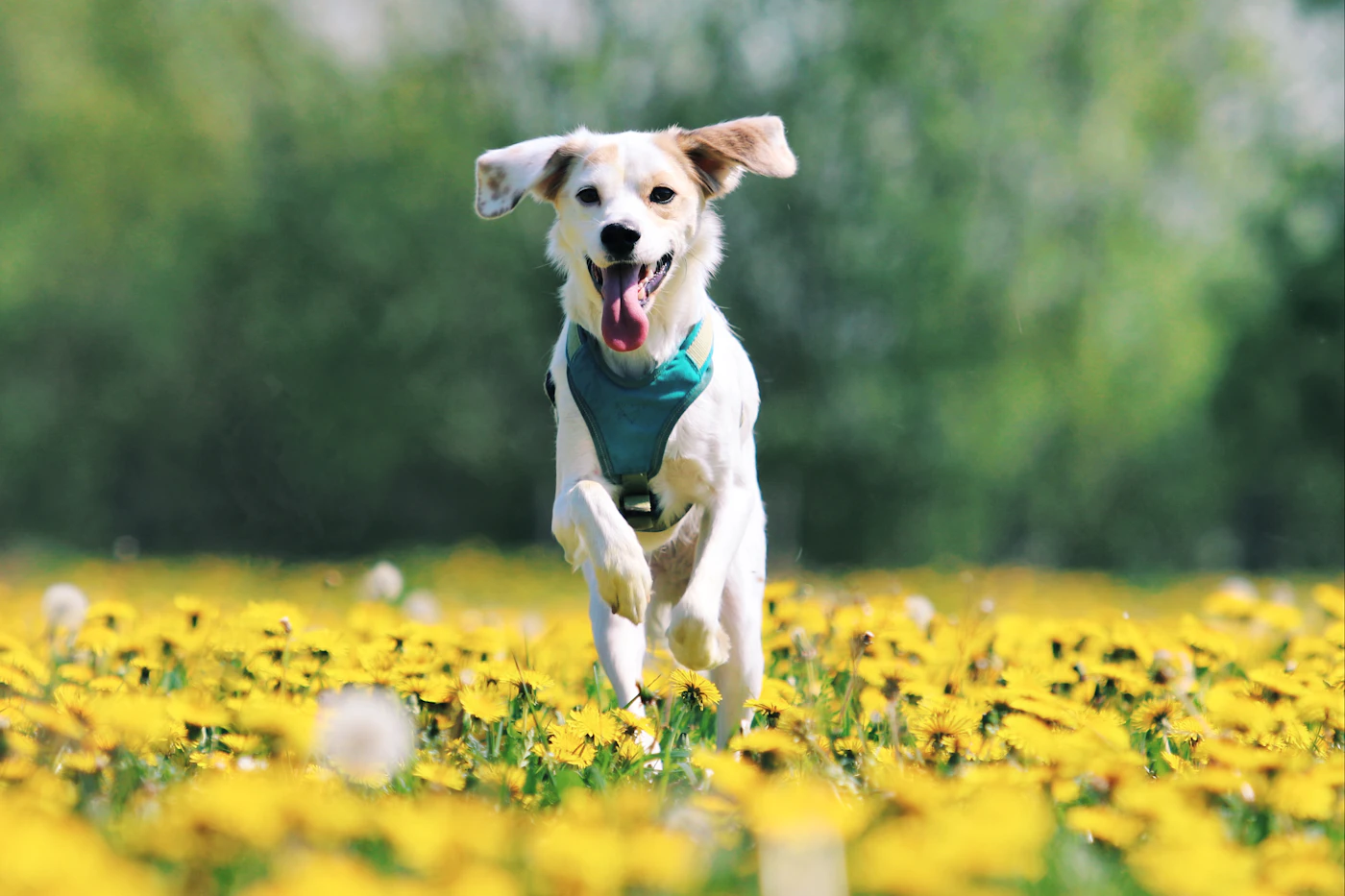
Physical activity supports a healthy weight and gives pets an outlet for natural behaviors. Dogs generally need daily walks plus play, with the amount depending on age, breed and energy level. Cats benefit from short play sessions with wand toys, balls or puzzle feeders, ideally a few times a day.
Groom and check your pet regularly
Brushing removes loose hair and gives you a chance to feel for lumps, scratches or sore spots. Once a week, take a few minutes to check:
- Ears for redness, odor or discharge
- Eyes for cloudiness or unusual discharge
- Teeth and gums for buildup or bad breath
- Nails for length and any cracks
- Paws for cuts, burrs or matted fur between the pads
For more detail, see our guide to dog bathing and brushing basics.
Make your home pet-safe
Store medicines, cleaning products and certain foods out of reach, secure trash cans and tuck away cables. Know which houseplants and foods can be harmful to pets and keep them out of the house or well out of reach. Our pet safety at home checklist covers this room by room.
Give your pet mental stimulation
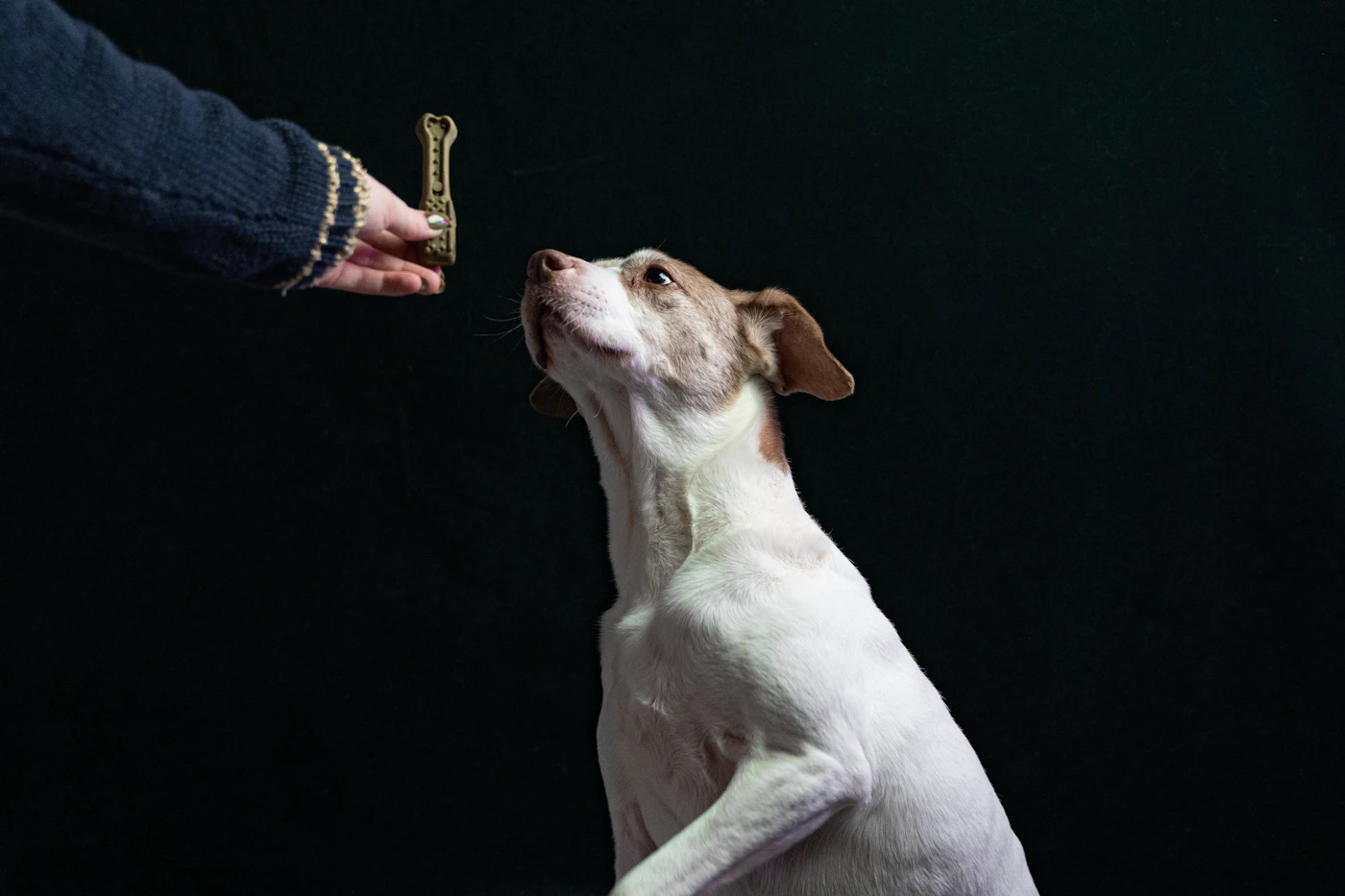
Boredom can lead to chewing, scratching or attention-seeking behavior. Rotate toys, try puzzle feeders, practice short training sessions and give cats vertical spaces to climb and watch from. A tired mind is often a calmer one.
Keep ID and records up to date
Make sure your pet wears an ID tag where appropriate and that any microchip registration has your current contact details. Keep a photo of your pet and a copy of their vaccination records somewhere easy to find in case you ever need them quickly.
Frequently asked questions
How often should my pet see a vet?
Many owners schedule a checkup at least once a year, with more frequent visits for puppies, kittens and older pets. Your veterinarian can recommend the right schedule for your pet.
How much exercise does my dog need?
It varies widely by breed, age and health. Start with daily walks and play, watch how your dog responds, and ask your vet for guidance on the right level.
What is the easiest habit to start with?
A consistent feeding schedule. It builds routine for your pet and makes appetite changes easier to notice.
Final thoughts
Great pet care does not require expensive gadgets. It comes from routine, attention and a good relationship with your veterinarian. Start with one or two habits from this list, build on them, and you will have a happier, healthier companion for it.