Bowls, mats and storage containers are easy to overlook, but they affect hygiene, mealtime mess and how fresh food stays. This guide covers the pet food accessories worth having and what to look for in each.
Quick guide
- Bowls: easy to clean, stable and the right size.
- Storage: airtight, with the original bag kept for batch details.
- Mats: washable and non-slip to contain spills.
Our picks
Product picks coming soon. Specific products will be added after we verify materials, sizes and cleaning instructions.
Food and water bowls
| Material | Pros | Keep in mind |
|---|---|---|
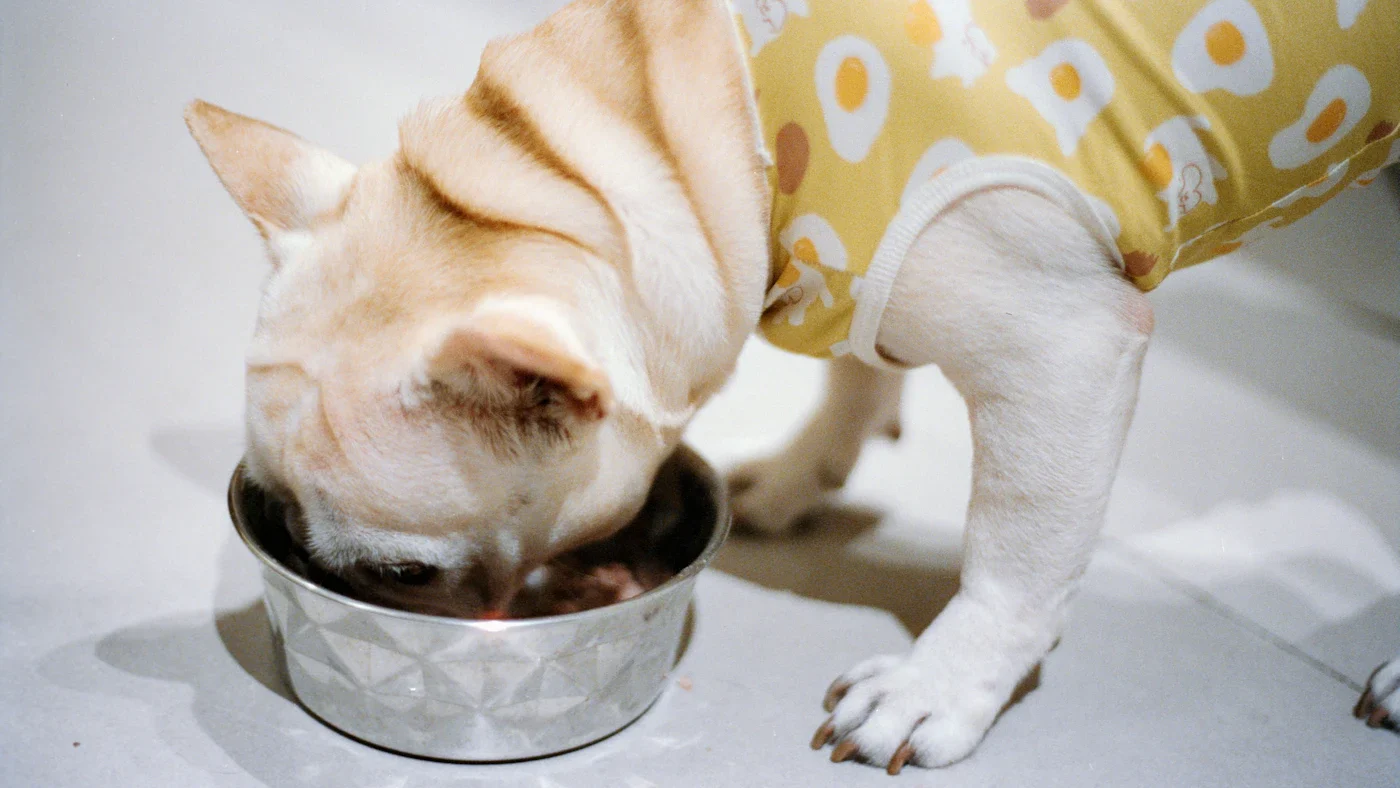
| Stainless steel | Durable, easy to clean, often dishwasher-safe | Lightweight bowls can slide without a non-slip base |
| Ceramic | Heavy and stable, many designs | Can chip or crack; replace damaged bowls |
| Plastic | Light and inexpensive | Can scratch over time, making cleaning harder |
Slow feeder bowls
Ridges or mazes encourage fast eaters to slow down and add a little mental challenge at mealtime.
Raised bowls
Some owners of large or older pets prefer raised feeders for comfort. Ask your vet whether a raised bowl is suitable for your pet.
Water fountains
Flowing water encourages some pets, especially cats, to drink more. Look for models that are easy to take apart and clean, and replace filters as the manufacturer recommends.
Food storage containers
Airtight containers help keep kibble fresh and away from pests. Many owners place the whole bag inside the container so the batch number and best-by date stay available.
Feeding mats
A washable, non-slip mat under bowls protects floors and keeps bowls in place. Raised edges help contain spills.
Measuring tools
A measuring scoop or kitchen scale helps keep portions consistent. See our guide to a healthy feeding routine.
Frequently asked questions
How often should I wash pet bowls?
Washing food and water bowls daily is a good habit, as leftover food and saliva can build up quickly.
Are water fountains necessary?
They are optional. A clean bowl of fresh water works for most pets. Fountains may help pets who prefer moving water.
Can I store kibble in the freezer?
Follow the manufacturer’s storage guidance. In most cases a cool, dry, airtight container is sufficient.
Final thoughts
Choose accessories that are simple to clean and suited to your pet’s size and eating style. Small upgrades here can make everyday feeding tidier and more hygienic.