PetOwnerHQ

AGGRESSIVE DOGS GUIDE

Managing Dog Aggression Safely

Growling, lunging and reactivity are signals, not character flaws. This guide explains what may be behind them, how to keep everyone safe, and why professional help matters.

Updated September 2026 · Written by the PetOwnerHQ editorial team · Research based, not lab tested

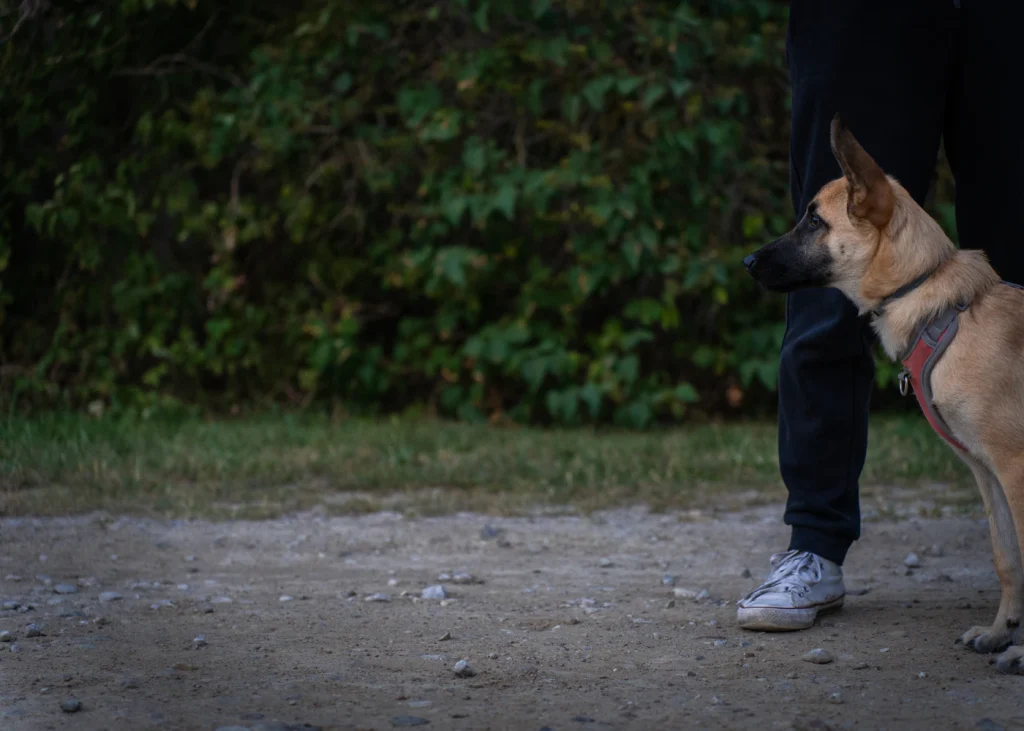
Dog standing calmly on a leash next to its handler

Good to know: Aggression needs an individual assessment. Work with your vet and a qualified, reward-based behavior professional. This page is general information and is not a treatment plan.

Aggression Help by Focus

Safe, humane ways to manage and reduce aggression.

COMMON TYPES

Safe Ways to Manage Aggression

These are product types rather than specific branded products. We describe what each type does best so you can compare real listings with clear criteria.

BEST FOR: ROOT CAUSE

Certified Behaviorist Consultation

The most important step: a qualified behaviorist assesses triggers and builds a safe, tailored plan.

Tailored planRoot causeSafest route

Best forRoot cause

BEST FOR: SAFETY

Comfort Basket Muzzle

A well-fitted basket muzzle lets dogs pant and drink while keeping people and dogs safe during training.

Allows pantingSecure fitAsk your vet

Best forSafety

BEST FOR: REACTIVE WALKS

No-Pull Head Halter

Gives gentle, humane head control to manage reactive dogs on walks without choking.

Gentle controlReduces lungingHumane

Best forReactive walks

BEST FOR: AROUSAL

Calming Support Chews

Natural calming chews that can lower arousal as part of a full behavior plan.

Lowers arousalNaturalPlan support

Best forArousal

BEST FOR: EXTRA CONTROL

Secure Double-Ended Lead

A strong double-clip lead gives extra control and a backup point for reactive dogs.

Extra controlBackup clipStrong build

Best forExtra control

BEST FOR: STRESS RELIEF

Decompression Puzzle Toy

Calming enrichment that helps lower stress and reduce the triggers behind reactivity.

Lowers stressMental focusCalming

Best forStress relief

Quick Comparison

How these types compare at a glance.

SolutionBest ForTypeRole
Certified Behaviorist ConsultationRoot causeProfessionalAssessment & plan
Comfort Basket MuzzleSafetySafety gearManagement
No-Pull Head HalterReactive walksHead halterControl
Calming Support ChewsArousalCalming aidSupport
Secure Double-Ended LeadExtra controlLeadManagement
Decompression Puzzle ToyStress reliefEnrichmentSupport
BUYING GUIDE

How to Manage Aggression Safely

The things worth checking before you buy.

Get Professional Help

Aggression needs a qualified behaviorist or vet, not a DIY fix, for safety and success.

Identify Triggers

Understanding what sets your dog off is essential to managing and reducing reactions.

Prioritize Safety

Muzzles, secure leads, and distance keep people and other animals safe during training.

Humane Methods Only

Avoid punishment and aversive tools, which usually make aggression worse.

Rule Out Pain

Sudden aggression can be caused by pain or illness, so a vet check comes first.

Professional learning resources

We link to providers so you can check current details yourself. We do not publish prices or terms, because they change.

Canine Principles

Online courses on dog behavior and training theory.

Link coming soon

Positively

Reward-based training resources from trainer Victoria Stilwell.

Link coming soon

We list providers so you can compare them yourself. Some links may be affiliate links. We do not publish prices, discounts or coverage details, because those change and vary by plan, state and pet.

AGGRESSIVE DOGS FAQ

Your Questions, Answered

Aggression usually comes from fear, guarding, frustration, pain, or lack of socialization. A vet and behaviorist can identify the specific cause.

Many dogs improve a lot with a proper plan, management, and humane training, though some need lifelong management. A professional gives the best outcome.

No. A well-fitted basket muzzle that allows panting and drinking is a humane safety tool that lets dogs stay calmer and continue training safely.

No. Punishment usually increases fear and aggression. Reward-based training and management, guided by a professional, are safer and more effective.

Straight away for any biting, lunging, or serious aggression. A qualified behaviorist or veterinary behaviorist is the safest, most effective route.

We compare product types on safety, materials, usability, maintenance and long-term cost, using manufacturer documentation, published guidance from vets and trainers, and owner feedback. Our guides are research based rather than lab tested, and we say so on every page. You can read our full method on the How We Review page.

Related Guides

Safer Days with a Calmer Dog

Get new guides and practical pet care tips by email. No spam, unsubscribe any time.