PetOwnerHQ

SEPARATION ANXIETY GUIDE

Best Separation Anxiety Solutions of 2026

Distress when left alone is common and treatable with a gradual plan. This guide explains the signs, the steps that help, and what to avoid.

Updated September 2026 · Written by the PetOwnerHQ editorial team · Research based, not lab tested

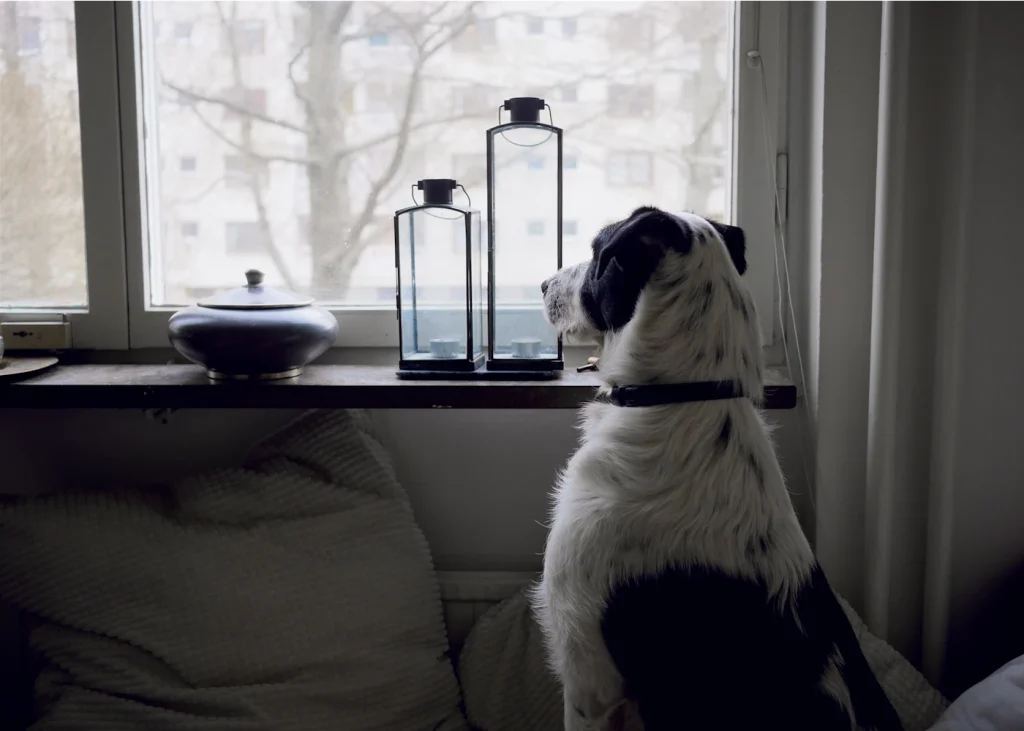
Dog looking out of a window at home

Good to know: Severe separation anxiety is a welfare issue and often needs professional support. Speak to your vet or a qualified behavior professional if your dog panics when alone.

Browse Separation Help by Type

Tools to help your dog feel calmer when alone.

COMMON TYPES

Common Separation Anxiety Picks, Compared

These are product types rather than specific branded products. We describe what each type does best so you can compare real listings with clear criteria.

BEST FOR: OVERALL SUPPORT

Separation Support Bundle

Pairs a pheromone diffuser, enrichment toy, and calming chews to ease time alone.

Multi-approachEases stressWidely sold

Best forOverall support

BEST FOR: CHECKING IN

Treat-Tossing Pet Camera

Watch, talk to, and reward your dog from your phone to reassure them while you are out.

2-way audioTreat tossingHD video

Best forChecking in

BEST FOR: CALMING ACTIVITY

Long-Lasting Lick Mat

Spreads food into a soothing licking activity that calms dogs during departures.

Calming lickLong lastingEasy clean

Best forCalming activity

BEST FOR: ROOM CALM

Calming Diffuser

Fills the room with soothing pheromones to help anxious dogs settle when alone.

Eases anxietyCovers a roomLong lasting

Best forRoom calm

BEST FOR: PHYSICAL COMFORT

Anxiety Pressure Vest

Gentle, constant pressure helps many dogs feel more secure during stressful times.

Gentle pressureDrug-freeSnug fit

Best forPhysical comfort

BEST FOR: QUICK CALM

Calming Chews

Natural calming chews to take the edge off before you head out the door.

NaturalNon-drowsyFast acting

Best forQuick calm

Quick Comparison

How these types compare at a glance.

ProductBest ForApproachUse
Separation Support BundleOverall supportMulti-approachDaily
Treat-Tossing Pet CameraChecking inInteractionWhile out
Long-Lasting Lick MatCalming activityEnrichmentDepartures
Calming DiffuserRoom calmPheromonesContinuous
Anxiety Pressure VestPhysical comfortPressureStressful times
Calming ChewsQuick calmSupplementBefore leaving
BUYING GUIDE

What to Look For in Separation Anxiety Aids

The things worth checking before you buy.

Understand the Cause

Separation anxiety is real distress, not misbehavior, so approach it with patience.

Build Up Slowly

Gradually increasing alone time helps dogs learn that you always come back.

Add Enrichment

Puzzles, lick mats, and long-lasting chews give dogs a positive focus while alone.

Keep It Low-Key

Calm departures and returns prevent building up anxiety around leaving.

Get Help When Needed

Severe separation anxiety often needs a behaviorist or vet for a full plan.

Support and course options

We link to providers so you can check current details yourself. We do not publish prices or terms, because they change.

Canine Principles

Online courses on dog behavior and training theory.

Link coming soon

Positively

Reward-based training resources from trainer Victoria Stilwell.

Link coming soon

We list providers so you can compare them yourself. Some links may be affiliate links. We do not publish prices, discounts or coverage details, because those change and vary by plan, state and pet.

SEPARATION ANXIETY FAQ

Your Questions, Answered

Common signs include barking or howling when alone, destructive chewing, pacing, drooling, accidents, and distress around your departure routine.

Build up alone time gradually, keep departures calm, provide enrichment and calming aids, and avoid punishment. Severe cases need professional help.

Many dogs respond well to pheromones, lick mats, and calming chews alongside gradual training. Results vary, so a combined approach usually works best.

Not necessarily. Some dogs feel better with company, but others are anxious specifically about you, so a second dog will not always solve it.

If your dog is highly distressed, destructive, or not improving, a qualified behaviorist or vet can create a tailored desensitisation plan.

We compare product types on safety, materials, usability, maintenance and long-term cost, using manufacturer documentation, published guidance from vets and trainers, and owner feedback. Our guides are research based rather than lab tested, and we say so on every page. You can read our full method on the How We Review page.

Related Guides

Ease Their Time Alone

Get new guides and practical pet care tips by email. No spam, unsubscribe any time.