PetOwnerHQ

DOG TRAINING GUIDE

Best Dog Training Tools of 2026

Good training comes down to clear timing, good rewards and consistency. This guide explains the tools and course types that help, and how to use them well.

Updated September 2026 · Written by the PetOwnerHQ editorial team · Research based, not lab tested

Owner walking beside an attentive dog on a quiet road

Browse Training by Type

Find the right tools for teaching any skill.

COMMON TYPES

Common Training Tools, Compared

These are product types rather than specific branded products. We describe what each type does best so you can compare real listings with clear criteria.

BEST FOR: MARKER TRAINING

Ergonomic Training Clicker

A comfortable, loud-and-clear clicker that makes marker training simple and consistent.

Clear soundEasy gripWrist strap

Best forMarker training

BEST FOR: REWARDS

High-Value Training Treats

Small, soft, low-calorie treats dogs love, perfect for quick rewards during training.

Low calorieSoft & smallHigh value

Best forRewards

BEST FOR: FAST REWARDS

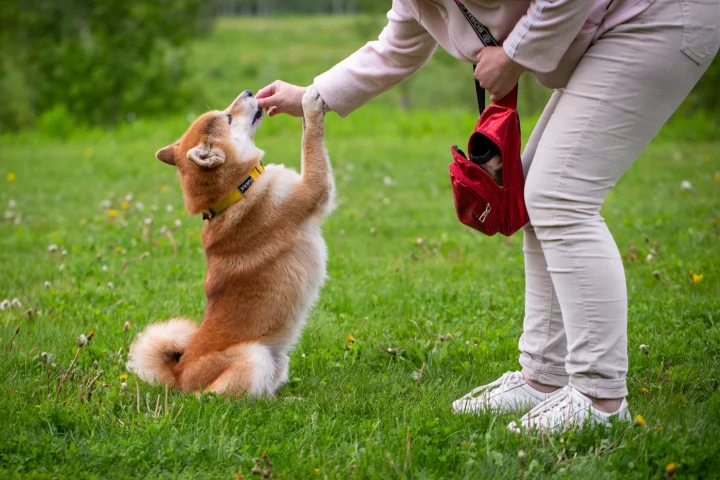
Quick-Draw Treat Pouch

Keeps rewards ready at your hip with a hinge opening and easy-clean lining.

Fast accessEasy cleanClip-on belt

Best forFast rewards

BEST FOR: RECALL

Training Long Line

A lightweight long lead for recall practice and safe freedom in open spaces.

Recall trainingLightweightStrong clip

Best forRecall

BEST FOR: FULL PROGRAMS

Online Dog Training Course

Step-by-step video lessons from professional trainers you can follow at your own pace.

Pro trainersSelf-pacedLifetime access

Best forFull programs

BEST FOR: TRICKS & FOCUS

Target Training Stick

A simple target stick for teaching precise movements, tricks, and focus.

Precise cuesTrick trainingAffordable

Best forTricks & focus

Quick Comparison

How these types compare at a glance.

Swipe the table to see all columns.
ToolBest ForCategorySkill
Ergonomic Training ClickerMarker trainingClickerAll skills
High-Value Training TreatsRewardsTreatsAll skills
Quick-Draw Treat PouchFast rewardsPouchAll skills
Training Long LineRecallLong lineRecall
Online Dog Training CourseFull programsCourseAll skills
Target Training StickTricks & focusTarget stickTricks
BUYING GUIDE

What to Look For in Training Tools

The things worth checking before you buy.

Clear Timing

Clickers and markers work because they signal the exact moment your dog gets it right.

High-Value Rewards

Small, tasty, low-calorie treats keep dogs motivated without overfeeding.

Short Sessions

A few short, positive sessions a day beat one long one for learning and focus.

Positive Methods

Reward-based tools build trust and lasting behavior better than punishment.

Consistency

Everyone in the home using the same cues and rules speeds up training.

Training programs to compare

We link to providers so you can check current details yourself. We do not publish prices or terms, because they change.

Brain Training for Dogs

Online program built around brain-game exercises and obedience training.

Link coming soon

K9 Training Institute

Online dog training program with video lessons from professional trainers.

Link coming soon

Dunbar Academy

Online courses and resources from trainer Dr. Ian Dunbar.

Link coming soon

We list providers so you can compare them yourself. Some links may be affiliate links. We do not publish prices, discounts or coverage details, because those change and vary by plan, state and pet.

DOG TRAINING FAQ

Your Questions, Answered

As soon as they come home. Puppies can start gentle training from around eight weeks, and older dogs can learn at any age with patience.

Clicker training uses a distinct click to mark the exact moment a dog does the right thing, followed by a reward, making lessons clear and fast.

Short and frequent works best. Aim for a few five to ten minute sessions a day to keep your dog focused and eager.

Treats are one of the easiest, most effective rewards, but praise, play, and toys also work. Fade treats gradually as skills become reliable.

Yes. Most everyday obedience can be taught at home with the right tools and a good course. For serious behavior issues, consider a professional trainer.

We compare product types on safety, materials, usability, maintenance and long-term cost, using manufacturer documentation, published guidance from vets and trainers, and owner feedback. Our guides are research based rather than lab tested, and we say so on every page. You can read our full method on the How We Review page.


Related Guides

Train Smarter, Not Harder

Get new guides and practical pet care tips by email. No spam, unsubscribe any time.