Indoor cats can live full, happy lives, but they rely on us to bring variety into their day. Enrichment means giving cats outlets for natural behaviors such as hunting, climbing, scratching and exploring. The good news is that most ideas are simple, affordable and take only a few minutes a day.
Key takeaways
- Short, frequent play sessions often work better than one long one.
- Food can be a game: puzzle feeders slow eating and add challenge.
- Vertical space and window views add interest without extra effort.
Play like a hunter
Wand toys let you mimic prey: move the toy along the floor, hide it behind furniture and let your cat stalk and pounce. Many cats respond well to a few short sessions spread through the day. Ending with a small meal or treat can give the game a satisfying finish.
Turn mealtime into a puzzle
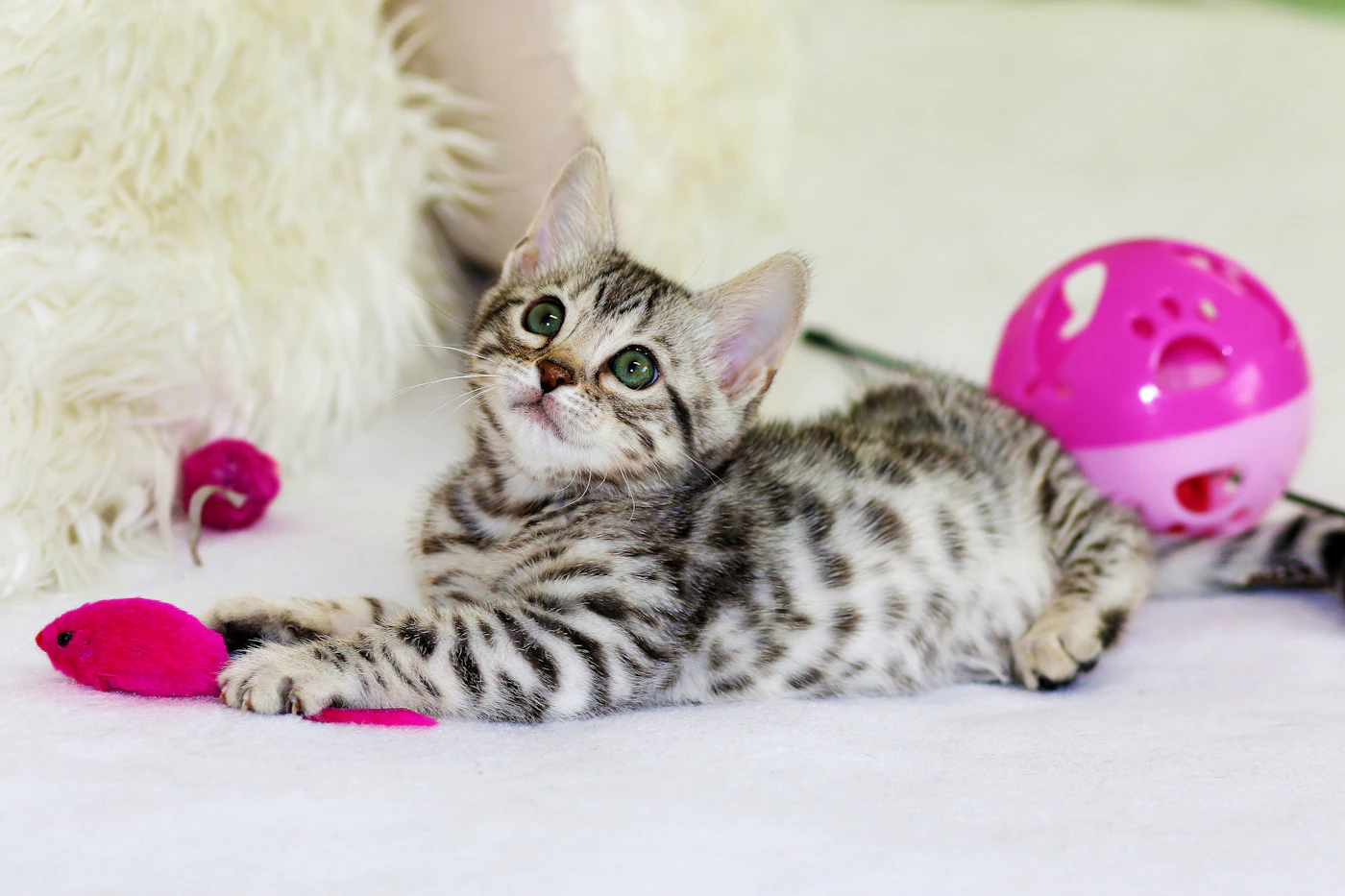
Puzzle feeders and treat balls encourage cats to work for food, which can keep them busy and slow down fast eaters. Start with easy puzzles so your cat succeeds quickly, then gradually increase the challenge. You can also hide small portions of dry food around a room for a gentle foraging game.
Add vertical territory
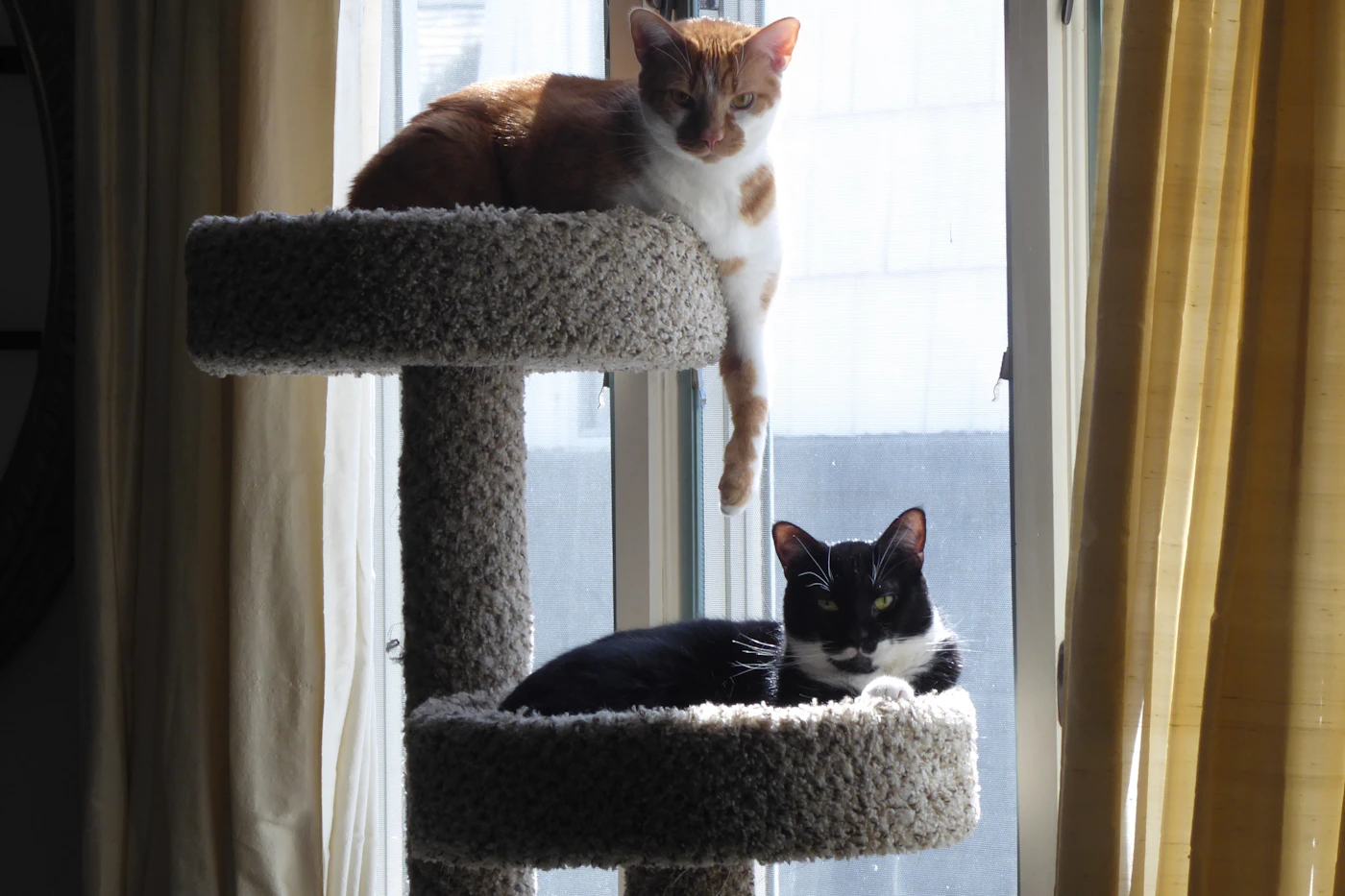
Cat trees, wall shelves and cleared windowsills give cats more space without more floor area. Height helps many cats feel safe, especially in multi-pet homes. See our guide to cat trees for indoor cats for what to look for.
Offer the right scratching options
Scratching keeps claws in condition and lets cats stretch and mark territory. Provide at least one tall, sturdy vertical post and a horizontal scratcher, placed near sleeping spots and room entrances.
Create a window view
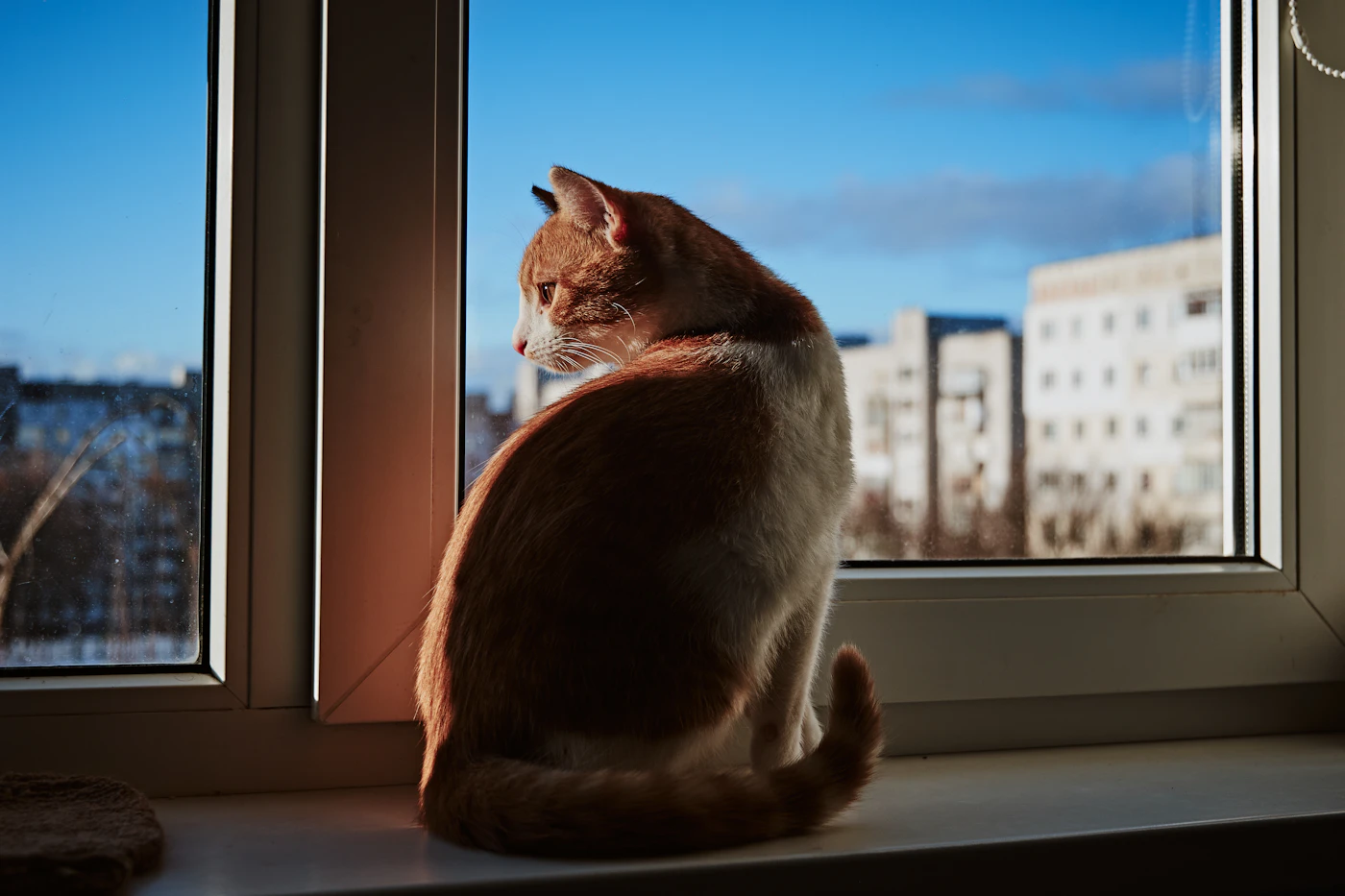
A comfortable perch by a secure window can become a favorite spot. Some owners place a bird feeder outside, well away from where cats could reach, to add movement to the view.
Rotate toys
Cats can lose interest in toys that are always out. Keep a small selection available and rotate the rest every few days so old toys feel new again.
Try gentle training
Many cats can learn to sit, high-five or come when called using treats and short sessions. Training builds your bond and provides mental exercise.
Enrichment ideas at a glance
| Idea | Time needed | Why it helps |
|---|---|---|
| Wand toy play | 5 to 10 minutes | Hunting outlet, exercise |
| Puzzle feeder | Set up once, used daily | Mental challenge, slower eating |
| Cardboard boxes | Minutes | Hiding and exploring |
| Window perch | Set up once | Visual stimulation |
| Clicker training | A few minutes | Mental exercise, bonding |
Frequently asked questions
How much play does an indoor cat need?
It varies by age and personality. Many cats do well with a few short play sessions each day. Watch your cat’s interest and adjust.
Is it safe to leave toys out?
Put away toys with strings, feathers or small parts when you are not supervising, as they can be a hazard if swallowed.
My cat is not interested in toys. What can I try?
Try different textures, sizes and movements, and play at dawn or dusk when many cats are more active. If your cat seems unusually inactive, check with your vet.
Final thoughts
Enrichment does not need to be elaborate. A few minutes of play, a puzzle at mealtime and a good place to perch can transform an indoor cat’s day.